
Aeollanthus subacaulis
Aeollanthus subacaulis
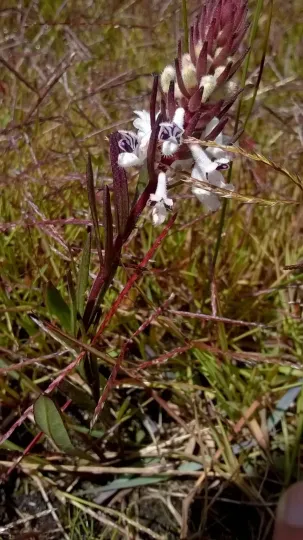
Description
Growing requirements
Aeollanthus subacaulis is a unique perennial plant belonging to the Lamiaceae family. Native to tropical Africa, this species thrives in specialized habitats, often appearing in rocky areas where it shows high resilience to environmental stressors.
The botanical structure of the plant is characterized by a low-growing habit and leaves rich in essential oil glands. These glands are the primary site for the accumulation of secondary metabolites, which define the plant's economic and chemical value.
Climate requirements for this culture include consistent warmth and high solar irradiance. As a tropical plant, it is strictly non-frost-tolerant and requires ambient temperatures that mimic its native equatorial environment to reach full maturity.
Regarding soil conditions, Aeollanthus subacaulis prefers well-drained, porous media. It is highly susceptible to root decay if water stagnation occurs, necessitating the use of raised beds or specialized gritty substrate mixes in commercial greenhouses.
Agronomic practices must prioritize precision irrigation. Providing too much water can dilute the concentration of essential oils in the leaves, so a dry-down cycle between watering sessions is recommended to enhance the quality of the raw material.
Harvesting
The primary utility of Aeollanthus subacaulis is in the extraction of aromatic oils. These extracts are sought after for their unique chemical profile, which is utilized in high-end perfumery and specialized pharmaceutical applications.
Harvesting is traditionally timed with the peak of the flowering period. During this phenological stage, the plant exhibits the highest biomass density and the most favorable concentration of essential oils within its foliage.
Manual harvesting techniques are preferred to protect the delicate glands on the leaf surfaces. By avoiding crushing the leaves during the harvest, producers ensure that the oil remains trapped until the extraction process begins.
Immediate post-harvest processing is essential for success. Whether through steam distillation or solvent extraction, the faster the harvested material is processed, the higher the yield and purity of the resulting essential oil.
Standard protocols for storage involve keeping the harvested biomass in a cool, shaded environment to prevent oxidative degradation. Following these steps ensures that the end product maintains its market-grade standards and efficacy.