
Aeollanthus buchnerianus
Aeollanthus buchnerianus
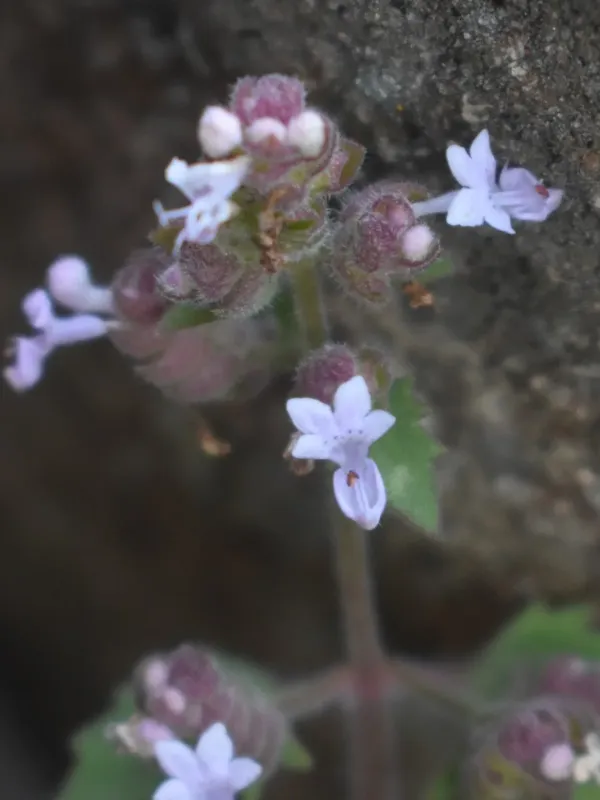
Description
Sowing dates
Sowing Aeollanthus buchnerianus is recommended during the spring period when soil temperatures reach +15 to +18 degrees Celsius. To obtain high-quality seed material, well-lit areas with light soil texture should be selected.
The optimal planting scheme involves row spacing of 40 to 60 centimeters, ensuring sufficient space for the plant to form its bush structure. Seeds are sown at a depth of 1–2 centimeters, as they are highly sensitive to planting depth and require consistent moisture during the first weeks after germination.
In regions with short growing seasons, it is advisable to use the transplanting method. Seedlings should be planted in open fields once the threat of spring frosts has passed, allowing the crop to establish itself more quickly and enter the active growth phase.
A crucial condition for successful sowing is soil preparation, ensuring the field is weed-free and enriched with organic fertilizers. The surface must be leveled carefully to prevent water stagnation in soil depressions.
The germination process requires stable topsoil moisture. If natural precipitation is insufficient, regular fine-mist irrigation is recommended until the first crop shoots appear.
Growing requirements
Aeollanthus buchnerianus is a perennial herbaceous plant belonging to the Lamiaceae family. It is primarily native to tropical regions of Africa, where the climate is characterized by distinct wet and dry seasons, which dictate the adaptive mechanisms of the species.
The crop prefers well-drained sandy or sandy-loam soils with a neutral or slightly acidic pH. It is essential to avoid areas with a high water table, as waterlogging in the root zone can lead to the development of rot-related diseases.
For normal development, the plant requires intense sunlight throughout the entire day. Shaded conditions lead to reduced accumulation of essential oils, which are the main value of this species, thereby negatively impacting the quality of the final product.
Temperature should be maintained between +20 and +30 degrees Celsius. The crop has low resistance to sub-zero temperatures; therefore, in temperate latitudes, it is cultivated as an annual or requires special conditions for wintering in greenhouses.
The plant requires moderate watering, with the topsoil allowed to dry out between irrigation cycles. Excessive moisture combined with high humidity favors the development of pathogenic microflora, which must be considered when planning the care system.
Yield
The yield of Aeollanthus buchnerianus depends directly on adherence to agronomic standards and the light intensity of the plot. In industrial settings, the primary objective is to obtain green biomass, which is used for essential oil extraction or in dried form for the pharmaceutical industry.
Maximum productivity levels are achieved by providing balanced mineral nutrition, including nitrogen, phosphorus, and potassium fertilizers. An excess of nitrogen can trigger excessive vegetative growth at the expense of the qualitative composition of the essential oils.
Average raw material yields depend on planting density, which typically ranges from 40,000 to 60,000 plants per hectare. Under favorable conditions, several tons of raw biomass can be harvested per hectare per season.
Several harvest cycles can be performed throughout the growing season, allowing for a significant increase in total yield per unit area. It is important to provide the plant with sufficient time for shoot regeneration after each cutting, while maintaining the height of the remaining stubble.
Harvest quality is assessed by the concentration of active compounds, determined using gas chromatography methods. To preserve the biochemical profile, raw materials must undergo rapid drying at strictly controlled temperatures.
Main diseases and pests
The main threats to the crop are associated with fungal diseases caused by water management issues or overcrowded plantings. Various types of root rot are the most dangerous, as they attack the plant's vascular system in the early stages of growth.
Pests, such as spider mites or aphids, can cause significant damage to plantations during hot and dry periods. These insects feed on cell sap, causing leaf deformation, premature leaf drop, and a general reduction in the crop's immunity.
Disease prevention includes crop rotation and the use of healthy planting material only. It is not recommended to place Aeollanthus buchnerianus after related crops from the Lamiaceae family to avoid the accumulation of specific pathogens in the soil.
Pest control is conducted using integrated management methods, including the application of biological agents. Chemical plant protection products are used only in exceptional cases, and strict adherence to pre-harvest intervals is required.
An important element of protection is phytosanitary control, involving regular inspection of plantings and timely removal of infected plants. This helps to localize infection centers and prevent their spread throughout the plantation.
Harvesting
The harvest is conducted during the mass flowering phase, when the concentration of essential oils in the tissues reaches its peak. During this period, the plant possesses the most pronounced therapeutic properties and the pleasant aroma characteristic of the species.
The harvesting technology involves mechanical or manual cutting of the above-ground part of the plant at a specific height from the ground. It is important to use sharp tools to avoid damaging the stem and to ensure quick healing of the cuts.
After harvesting, the raw material must be transported to the processing site as quickly as possible. If long-distance transport is required, ventilated containers are recommended to prevent self-heating and premature oxidation of active components.
Primary processing includes sorting the raw material, removing impurities, and eliminating damaged plant parts. Subsequently, the material is sent for drying in specialized chambers where a gentle temperature regime, not exceeding 40 degrees Celsius, is maintained.
Storage of the dried raw material is carried out in airtight packaging, protected from direct sunlight and high humidity. This allows for the preservation of the aromatic properties and biological activity of Aeollanthus buchnerianus for a long duration.