
Aeollanthus pubescens
Aeollanthus pubescens
Description
Growing requirements
Aeollanthus pubescens is a notable perennial herb belonging to the Lamiaceae family, primarily native to tropical regions of Africa. This species is recognized for its adaptive features that allow it to thrive in diverse ecological niches, often characterizing it as an aromatic plant of significant interest.
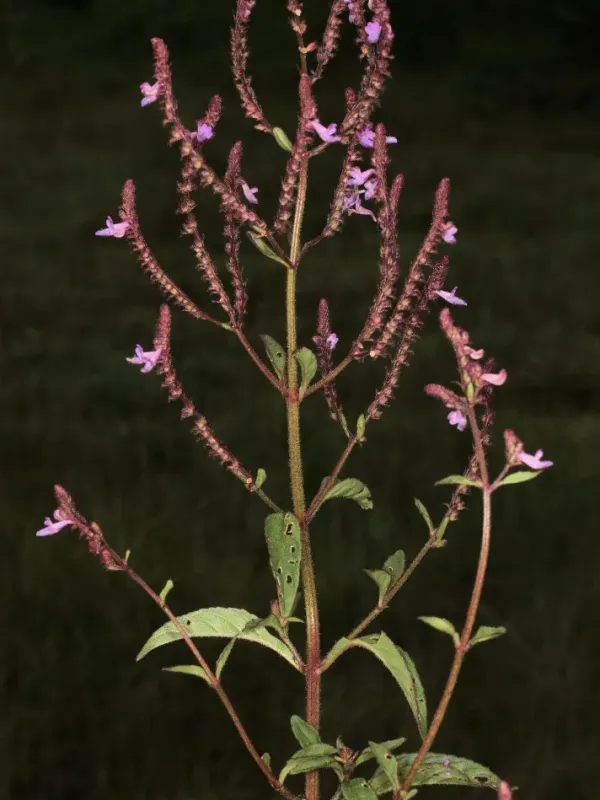
Botanically, the plant is distinguished by its characteristic dense pubescence (fine hairs) covering the stems and foliage, which serves both as a water-retention mechanism and a habitat for specialized oil-producing glands. The leaves are typically succulent or semi-succulent, reflecting an evolutionary adaptation to variable rainfall patterns.
Regarding cultivation requirements, the soil must be highly porous and well-drained. In agricultural settings, a sandy-loam texture enriched with organic matter provides the best balance of nutrients and oxygenation for the root system, preventing the common issue of root rot in less aerated soils.
The climate must be tropical or subtropical, characterized by high temperatures and moderate humidity. Aeollanthus pubescens requires a consistent temperature range, generally between 20°C and 28°C, and thrives in locations where it can receive bright, indirect sunlight to prevent leaf damage while maintaining metabolic activity.
Economically, the species is investigated for its potential in producing essential oils with distinctive chemical profiles. Beyond industrial extraction, it is increasingly studied for its ornamental value and potential roles in sustainable small-scale farming practices in its native regions.
Main diseases and pests
Typical threats include soil-borne pathogens such as Pythium and Rhizoctonia, which are exacerbated by high soil moisture levels. Management protocols emphasize the importance of sterile growing media and strictly controlled irrigation to maintain plant vigor throughout the vegetative stages.
Pests including aphids and spider mites are frequent challenges in enclosed production systems. Integrated Pest Management (IPM) strategies, which prioritize biological controls and minimal chemical intervention, are recommended to preserve the aromatic integrity of the plant biomass during the growing cycle.