
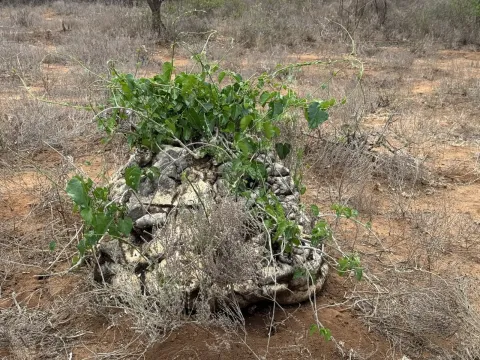
Pyrenacantha
Pyrenacantha
Pyrenacantha is a genus of plants belonging to the Icacinaceae family, characterized by its distinctive swollen stems known as caudex. These plants are native to the tropical and subtropical regions of Africa and Madagascar, where they have evolved to survive in arid environments.
What the section contains


Pyrenacantha
The botanical structure of the plant is highly specialized, with the caudex acting as a critical water storage organ. This biological adaptation allows the plant to endure prolonged droughts, making it a unique subject for agricultural study in arid land management.
Successful cultivation of Pyrenacantha requires a highly porous, well-draining soil mix, typically consisting of pumice, perlite, and a small amount of organic matter. Waterlogging is the most common cause of failure in agricultural settings for this species.
The plant thrives in bright, indirect light conditions. While it is adapted to high temperatures, exposure to scorching direct sunlight during the peak of the day can damage the delicate photosynthetic tissues of the vining stems.
In terms of economic usage, Pyrenacantha is valued for its potential medicinal properties and is frequently sought after in horticultural circles. Research into its biochemical composition is ongoing to explore its industrial application potential.
Fungal pathogens represent the most significant threat to Pyrenacantha. Root rot and stem rot, often induced by improper irrigation practices or poor soil drainage, can lead to the rapid decay of the central storage organ.
Pests such as spider mites and mealybugs are major concerns, particularly in controlled greenhouse environments. These pests thrive in dry conditions and can quickly weaken the plant by extracting essential sap.
Viral infections may occur, often transmitted by insect vectors. To mitigate these risks, maintaining rigorous sanitation in the growing area and controlling pest populations are essential agronomic practices.
Excessive nitrogen application can cause unhealthy, rapid growth, leading to brittle tissues that are easily penetrated by pathogens. A balanced nutrient program focusing on potassium and micronutrients is recommended for long-term health.
Regular inspections of the root zone and the surface of the caudex are crucial for early detection of issues. Any signs of soft, discolored, or mushy areas should be treated immediately with appropriate systemic fungicides or bactericides.