
Pyrenacantha malvifolia
Pyrenacantha malvifolia
Description
Growing requirements
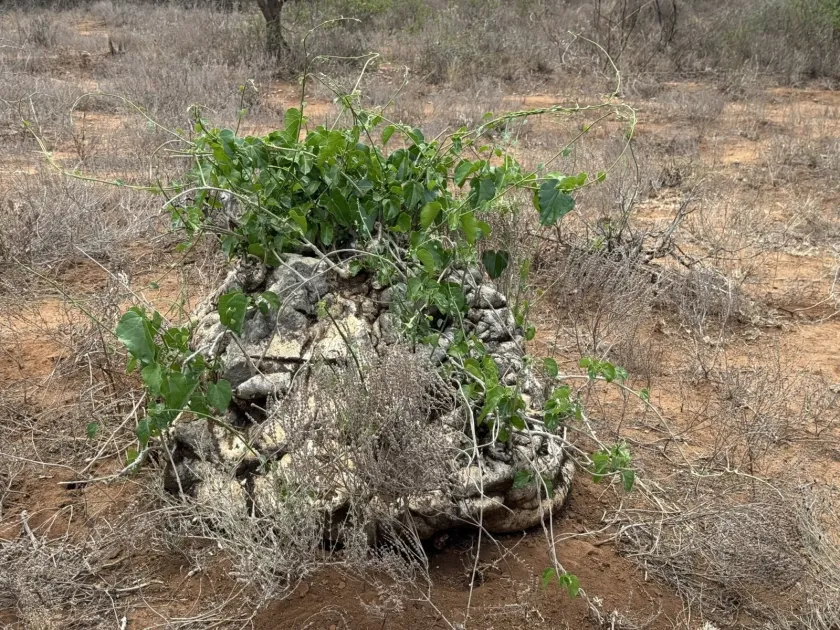
Pyrenacantha malvifolia is an extraordinary caudiciform plant belonging to the Icacinaceae family. It is native to the arid bushlands of East Africa, commonly found in countries such as Ethiopia, Somalia, and Kenya, where it thrives in challenging, drought-prone environments.
The plant is defined by its massive, woody caudex that emerges above the soil, acting as a crucial organ for water storage. This botanical adaptation allows the plant to survive extended periods without rainfall, making it a highly resilient species in dry conditions.
To cultivate this species successfully, a highly porous, mineral-based substrate is essential. A mixture of pumice, coarse sand, and grit ensures proper drainage, which is the most critical factor in preventing the rot that commonly affects these succulents.
Pyrenacantha malvifolia requires plenty of bright light to maintain its compact growth form. During the summer, it benefits from warm temperatures ranging between 22°C and 30°C. However, it must be kept dry and in a cooler environment during its winter dormancy phase.
Watering should be managed with strict moderation. During the active growing season, water only when the substrate has dried out completely. In winter, the plant enters a dormant stage where water should be withheld entirely to mirror the dry season in its native habitat.
Main diseases and pests
The primary threat to Pyrenacantha malvifolia is fungal or bacterial rot caused by waterlogged soil. Once the rot reaches the core of the caudex, the damage is often irreversible, emphasizing the necessity of a strict watering schedule.
Pests such as spider mites and mealybugs frequently target this species, particularly in low-humidity environments. These insects hide in leaf axils or small crevices on the caudex, feeding on the plant's sap and weakening its overall structure.
Early detection is vital for controlling pest populations. Regular monitoring and the application of appropriate systemic insecticides can prevent minor infestations from developing into severe outbreaks that threaten the health of the plant.
Improving air circulation around the plant is an effective preventative measure against both pests and fungal diseases. High humidity combined with stagnant air creates an ideal environment for pathogens to colonize the caudex surface.
When handling the plant, care should be taken to avoid any physical trauma to the caudex. Any scratch or bruise can provide a site for infection; therefore, maintaining a sterile growing environment is key to long-term health and survival.