
Indian mallow
Abutilon indicum
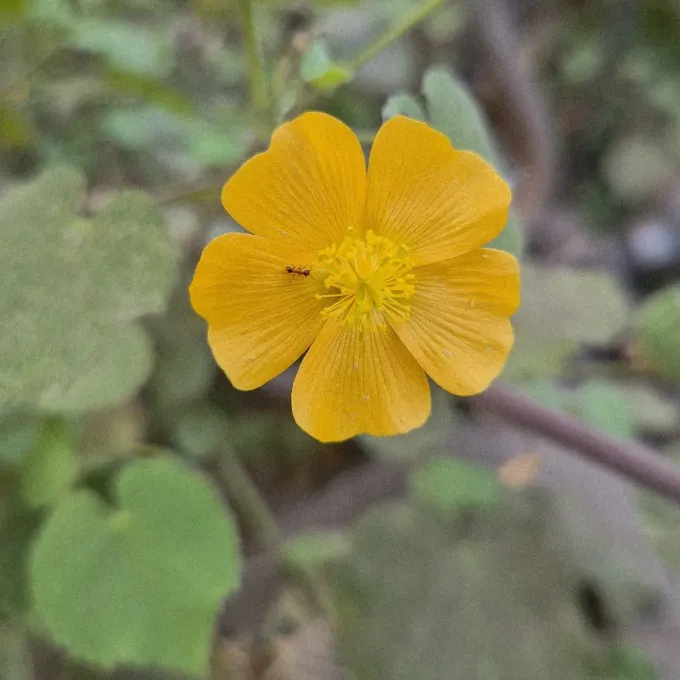
Description
Sowing dates
Abutilon indicum is a valuable annual or perennial plant of the Malvaceae family, widely recognized for its high-quality bast fiber in tropical agriculture.
The sowing process is typically timed to coincide with the onset of the monsoon season to ensure that seedlings have access to consistent moisture for establishment.
Seeds should be planted in well-prepared, loose soil to facilitate deep rooting and fast germination, which are crucial for the early growth stages of the plant.
Row spacing is maintained between 45 and 60 centimeters, ensuring that each plant has sufficient access to nutrients and light while maximizing the total yield.
Proper density is essential; overcrowding can stunt growth, while overly sparse planting leads to excessive branching, which reduces the overall quality of the fibers.
Growing requirements
Indian mallow thrives in fertile, well-draining soils with a neutral pH, avoiding compacted or waterlogged areas that may cause root suffocation.
As a sun-loving species, this crop requires full exposure to sunlight throughout its development to promote biomass accumulation and fiber strength.
While the plant is relatively drought-tolerant once established, supplemental irrigation during prolonged dry spells significantly boosts overall yields.
Soil nutrient management, particularly the availability of nitrogen and organic matter, is vital for achieving the desired stalk height and diameter.
The plant performs best in warm, humid climates, making it an ideal candidate for cultivation in tropical and subtropical environmental zones.
Main diseases and pests
The crop is susceptible to several pests, including aphids and whiteflies, which can cause severe damage by sucking sap and spreading viral infections.
Leaf-feeding caterpillars are a constant threat to foliage integrity, often requiring scouting and timely intervention to prevent widespread defoliation.
Fungal pathogens may emerge during periods of high humidity, causing leaf spot and stem rot, which can degrade the quality of the raw fiber harvest.
Integrated pest management, including regular crop rotation and weed control, is essential to mitigate these risks without over-reliance on chemicals.
Keeping the fields clear of debris and host plants helps break the lifecycle of many common pests and diseases associated with the Malvaceae family.
Harvesting
Harvesting is typically conducted at the flowering stage, the critical moment when the fiber content in the stalks is at its peak quality and elasticity.
The stems are cut and subjected to a retting process, where the fiber is separated from the woody stem core through biological or mechanical means.
Abutilon fiber is prized for its tensile strength and is utilized in various industries, including the manufacturing of cordage, ropes, and textiles.
Seeds are harvested separately after the pods have fully matured, serving as a secondary product for medicinal use or as stock for future seasonal planting.
Post-harvest handling involves thorough drying of the fibers to prevent microbial contamination and to preserve the fiber's natural characteristics for storage.