
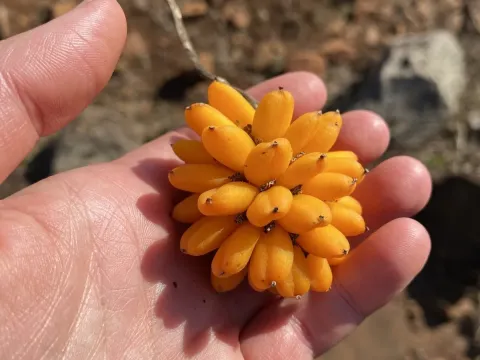
Polycephalium
Polycephalium
Polycephalium is a specialized botanical structure found in certain species of the Cactaceae family. In agricultural cultivation, the process begins with high-quality seeds that require specific thermal conditions to ensure a successful germination rate within a controlled environment.
What the section contains
Polycephalium
The sowing process typically takes place in late winter or early spring. Using a well-draining mineral-based substrate is essential to prevent seed rot and to provide the necessary stability for the developing roots during their initial growth phase.
Light exposure must be carefully managed after sowing. While seeds need adequate light to trigger metabolic activation, they must be protected from direct, scorching sun during the first few weeks to avoid tissue desiccation.
Humidity management is crucial during the seedling stage. Using propagation chambers or covering trays with clear plastic helps maintain the high humidity levels required for uniform germination while preventing the substrate from drying out prematurely.
Transplanting seedlings to individual containers or permanent nursery beds should be done once the plants have developed their first true spines. This ensures the root system is sufficiently robust to handle the shift in environmental conditions during the growth cycle.
This crop demands high solar radiation levels to develop its characteristic structure effectively. In commercial settings, this often requires the use of specialized greenhouses that allow for maximum light transmission while maintaining controlled temperature ranges.
Soil requirements are centered on excellent drainage and mineral composition. A mixture of volcanic rock, sand, and minimal organic peat is ideal, as it mimics the arid environment these plants originate from, effectively preventing root suffocation.
The temperature regime is a key driver of growth. The crop flourishes in daytime temperatures between 25 and 35 degrees Celsius. Nighttime cooling is equally important, as it promotes respiratory efficiency and prepares the plant for the following day's solar absorption.
Irrigation must follow a strictly regulated pattern based on complete substrate desiccation. Over-irrigation is the most common cause of failure in polycephalium production, as water accumulation around the roots leads to rapid necrosis.
Fertilization should be limited to the active growing season. Using phosphorus-rich fertilizers at low concentrations helps promote structural integrity without encouraging overly lush, vulnerable growth that could be susceptible to mechanical damage.
The primary pests targeting polycephalium are spider mites and mealybugs. These small organisms can cause significant aesthetic and physiological damage by feeding on the sap, which often leads to stunted growth and reduced market value for the crop.
Fungal pathogens represent the most significant threat to crop stability. Root rot and stem infections are typically associated with excessive humidity and poor air circulation, necessitating a proactive approach to ventilation and moisture management.
Integrated pest management strategies are recommended, utilizing both biological controls and targeted chemical treatments when populations exceed the economic threshold. All chemical applications must be carefully calibrated to avoid toxicity to the plants.
Sanitation is a cornerstone of polycephalium health. Regularly removing debris from the growing area and disinfecting tools between each contact helps prevent the transmission of viruses and bacteria, which are difficult to treat once established.
If an infection is detected, immediate removal of the affected tissue is necessary. Treating the cut site with antiseptic powders or copper-based fungicides can help seal the wound and stop the progression of the pathogen to healthy plant parts.