
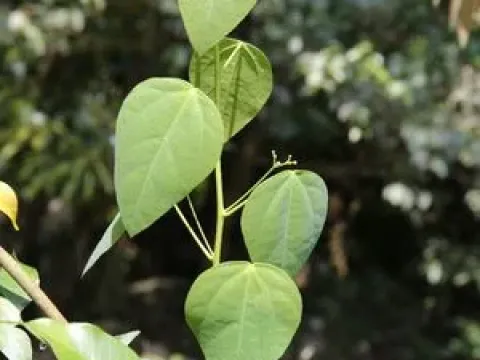
Iodes
Iodes
Iodes is a genus of woody climbing plants belonging to the Icacinaceae family. These plants are primarily native to tropical regions of Asia and Africa, where they function as vigorous lianas within the complex forest canopy structure.
What the section contains

Iodes
The botanical structure of Iodes includes flexible, scandent stems equipped with adaptations to climb surrounding vegetation. This unique morphology makes the genus highly specialized for survival in competitive, high-density tropical environments.
Cultivating Iodes requires strict adherence to tropical environmental standards. It thrives in high-humidity areas and requires consistent temperatures, making it unsuitable for cultivation in open fields outside of tropical or subtropical climatic zones.
Soil requirements for Iodes involve a nutrient-rich, well-draining substrate that mimics the organic-heavy forest floor. Maintaining a proper pH balance, generally between 6.0 and 7.0, is essential to ensure efficient nutrient uptake for the vine.
Agricultural management of this genus centers on structural support and moisture control. As these plants grow rapidly, providing adequate trellis systems is vital for development, alongside a consistent irrigation schedule to prevent drought stress.
The primary threats to the health of Iodes plants include fungal pathogens that flourish in stagnant, humid environments. Without adequate airflow, foliage and stem integrity can be compromised by various forms of mildew and rot.
Common pests associated with the greenhouse cultivation of Iodes include spider mites and scale insects. These pests feed on the nutrient-rich phloem of the vine, often causing yellowing and premature leaf senescence if left unmanaged.