
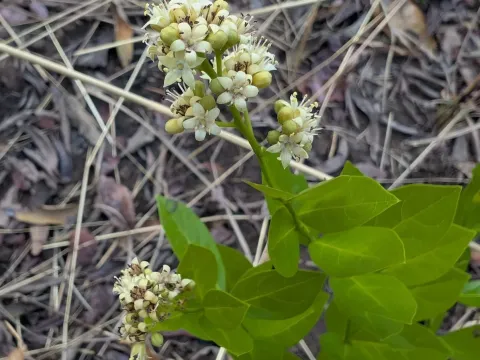
Icacina
Icacina
Sowing Icacina is typically performed using fresh seeds, which maintain viability for only a short period. The most favorable time for planting is the onset of the rainy season, allowing the plant to establish a robust root system before the dry period begins.
What the section contains

Icacina
Vegetative propagation is widely practiced by dividing mature tuberous rhizomes. Sections should be planted at a depth of 10–15 centimeters, ensuring they have sufficient soil contact to promote rapid shoot development.
Field preparation requires deep tillage, as the plant develops an extensive underground structure. Proper spacing, typically 1 to 1.5 meters apart, is essential to avoid competition and ensure maximum tuber yield per plant.
Seedlings exhibit slow early growth, making weed control a critical task during the first weeks. Maintaining a clean field environment ensures the young plants receive sufficient light and nutrients.
Applying organic mulch around the plants helps regulate soil temperature and moisture. This is especially important in tropical regions where direct sunlight can cause significant soil surface heating.
Icacina is a member of the Icacinaceae family and is well-adapted to tropical climates. It thrives in well-drained, sandy loam soils that prevent waterlogging, which is a major limiting factor for tuber development.
The plant is highly resilient to dry spells due to its ability to store water and starch in its large underground storage organs. This adaptation makes it a reliable crop in savanna ecosystems.
Optimal growth occurs at temperatures between +22°C and +30°C. As a tropical species, it cannot withstand frost, which restricts its cultivation to equatorial and tropical zones.
While the plant prefers sunny conditions, it can tolerate partial shade. However, maximal starch accumulation in the tubers is generally associated with areas receiving full exposure to sunlight.
The soil should be rich in organic matter. Farmers often supplement the soil with compost to improve structure and nutrient availability, which directly correlates to the size and quality of the harvestable tubers.
Yield estimation for Icacina focuses on the weight and starch density of the harvested tubers. After 2–3 years of development, an individual plant can produce a substantial mass of edible underground material.
As a vital food source, Icacina tubers are rich in carbohydrates. They serve as a fundamental energy resource for local populations, particularly during times of food scarcity.
The young shoots and leaves of the plant are also edible, serving as a secondary crop. They provide essential vitamins and minerals, adding diversity to the nutritional profile of the local diet.
Harvesting strategies often involve partial extraction of the tuber system. This allows the plant to continue growing, enabling multiple harvests from a single established plant over several years.
Processing is essential to improve the quality of the starch. Proper preparation techniques reduce anti-nutritional factors and improve the texture of the product for consumption.
Root rot is the most common threat to Icacina, typically caused by poor drainage or prolonged exposure to waterlogged soil. Proper land grading is the primary defense against this issue.
Soil-dwelling larvae can cause significant damage to the tubers, leading to secondary infections. Integrated pest management strategies, including crop rotation, are recommended to minimize these impacts.
Nematode infestations can severely compromise plant health and yield. The use of clean planting materials and maintaining soil health are key strategies in managing these microscopic pests.
Foliar pathogens, including various fungi, can affect the leaves during periods of extreme humidity. Regular monitoring is necessary to identify and treat early outbreaks.
Wild herbivores often target the tender shoots of young plants. Fencing the field perimeter is a necessary investment for farmers in areas where wildlife interference is a frequent occurrence.
Harvesting Icacina requires significant physical effort due to the depth and mass of the tubers. Appropriate tools, such as sturdy forks or spades, are necessary to lift the tubers without causing mechanical damage.
The best time to harvest is during the plant's dormant phase, when nutrients are fully concentrated in the underground organs. This timing ensures higher nutritional quality and better storage potential.
After excavation, tubers should be cleaned and briefly dried in the shade. Avoiding exposure to direct, harsh sunlight prevents the skin from cracking and reduces the risk of post-harvest decay.
Storage should take place in cool, well-ventilated locations. In tropical climates, processing the tubers into dried chips or flour is often preferred to extend shelf life and ease transport.
Properly handled Icacina tubers can remain shelf-stable for extended periods. This contributes significantly to food security, allowing the harvested crop to be stored for consumption during the off-season.