
Pyrenacantha kaurabassana
Pyrenacantha kaurabassana
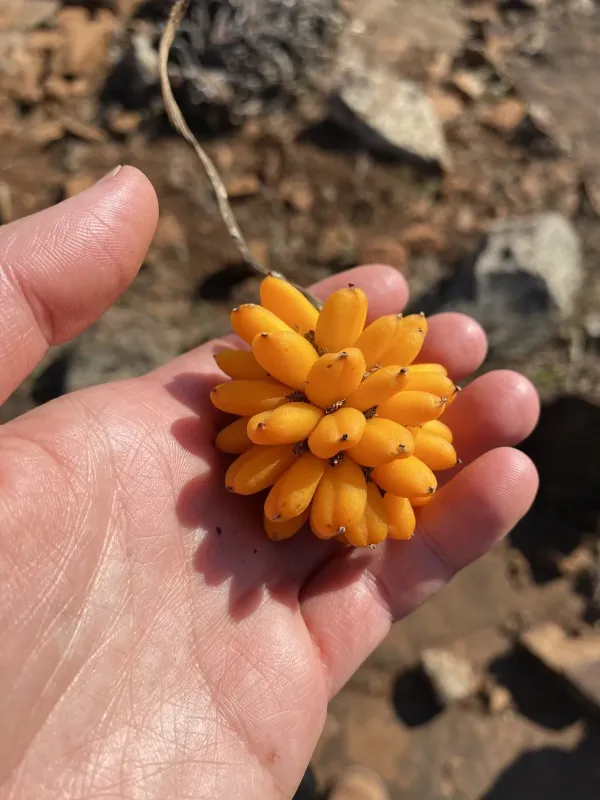
Description
Growing requirements
Pyrenacantha kaurabassana is a distinct species belonging to the Icacinaceae family, recognized for its robust caudex which acts as a water storage organ. This biological feature makes it highly adapted to the seasonal climates found in its native Madagascar.
The plant thrives in regions characterized by distinct dry and wet seasons. In cultivation, mimicking these conditions is essential for the long-term health and development of the caudex, which is the primary aesthetic and functional value of the species.
Soil composition must prioritize drainage above all else. A professional mix should consist of coarse sand, pumice, and a small fraction of organic matter. Heavy soils are strictly prohibited as they promote anaerobic conditions, leading to root rot.
Regarding climate, the plant requires high light intensity to prevent etiolation. While it can handle indirect light, full morning sun exposure significantly improves the structural integrity of the stems and leaf density.
Watering requirements follow a strict seasonal pattern. During the growing season, deep soaking is beneficial provided the soil dries out quickly. In contrast, during the dormant phase, the plant should remain almost completely dry to avoid tissue damage.
Main diseases and pests
Root rot is the most critical threat to Pyrenacantha kaurabassana. It is often triggered by poor drainage or excessive humidity during the cooler months when the plant enters its natural period of rest.
Pest pressure is primarily driven by sap-sucking insects such as mealybugs and spider mites. These pests thrive in dry indoor environments and can quickly weaken the plant by draining nutrients from the succulent tissues.
Fungal infections can occur if the humidity levels are consistently too high without proper ventilation. Ensuring constant airflow around the plant canopy helps in mitigating the risk of powdery mildew and other surface pathogens.
Integrated pest management is recommended for maintaining plant health. This includes manual removal of visible pests, followed by applications of neem oil or specific systemic insecticides that do not harm the succulent structure of the caudex.
Proactive care involves inspecting the base of the plant monthly. Any signs of soft, discolored, or mushy areas on the caudex require immediate corrective action, including removal of substrate moisture and professional treatment for rot.