
Stachyanthus
Stachyanthus
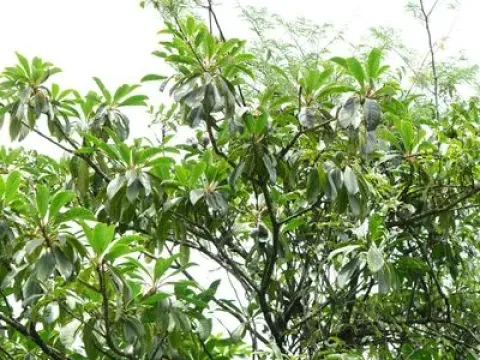
Stachyanthus is a genus of woody plants belonging to the family Icacinaceae. In their natural habitat, these plants are primarily found in the tropical rainforests of Africa and some parts of Southeast Asia.
What the section contains
Stachyanthus
Biologically, the crop consists of lianas or small trees that are well-adapted to the dense canopy of humid tropical forests. They prefer loose, humus-rich soils that maintain a consistent level of moisture and high ambient temperatures throughout the year.
Successful growth requires high air humidity, ideally between 70% and 80%, and protection from sudden temperature fluctuations. In specialized cultivation environments, it is crucial to provide shade, as direct sunlight can cause significant damage to the plant's young leaves.
The growing medium must have excellent drainage properties to prevent waterlogging around the root system. An optimal soil pH is slightly acidic to neutral, which mimics the environment of forest leaf litter where these plants naturally thrive.
As a tropical plant, it is extremely sensitive to freezing conditions. In agronomic practice, it is essential to maintain a stable temperature range, avoiding levels below +15...+18 degrees Celsius, as this can severely inhibit or halt the plant's metabolic processes.
The agricultural and economic use of Stachyanthus is currently limited and primarily focused on ethnobotanical studies and phytochemical research. Historically, certain species of this genus have been used in traditional medicine by local communities to prepare various herbal decoctions and tinctures.
In modern times, scientists are investigating the chemical composition of Stachyanthus extracts to identify biologically active compounds, such as alkaloids and flavonoids. This research makes the crop a potentially valuable subject for the pharmaceutical and nutraceutical industries.