
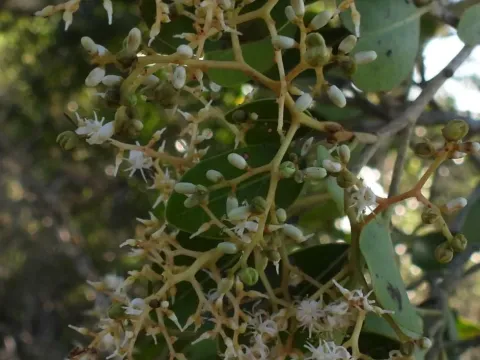
Apodytes
Apodytes
The genus Apodytes belongs to the family Icacinaceae. The most prominent species is Apodytes dimidiata, widely recognized as the white pear or pear tree of South Africa. These are evergreen trees or shrubs adapted to tropical and subtropical habitats.
What the section contains

Apodytes
This plant thrives in well-drained, fertile soil rich in organic matter. While it is adaptable to various soil types, maintaining proper aeration is critical to prevent root system stress and ensure healthy long-term growth.
In terms of climate, Apodytes requires consistent moisture and protection from harsh frost. It is typically found in forested areas where moderate temperatures and humidity levels support its evergreen foliage.
Cultivation practices involve providing partial shade during the plant's early years. As the tree matures, it becomes more tolerant of direct sunlight, although regular watering is necessary in drought-prone regions.
Soil management includes applying mulch to regulate temperature and retain moisture. Pruning should be carried out periodically to maintain a desired shape and to ensure optimal air circulation within the canopy.
The wood of Apodytes is highly regarded for its physical properties. It is characterized by a fine, uniform texture, high density, and durability, which makes it ideal for fine carpentry and cabinet making.
In addition to timber production, the tree is extensively used in landscape architecture. Its dense, glossy leaves and attractive flowers make it a popular choice for ornamental purposes in parks and public gardens.
The ecological value of this plant is significant, as its fruits are a primary food source for a variety of bird species, thereby assisting in local biodiversity conservation.
While not a traditional agricultural crop, its role in forestry and reforestation projects is substantial. It is valued for its ability to integrate into various ecosystems without becoming invasive.
Ongoing interest in this genus is focused on sustainable timber harvesting methods and identifying specific cultivars that exhibit superior growth rates for plantation settings.
The primary threats to Apodytes include fungal infections which often arise in environments with poor air circulation. Removing dead wood and thinning the crown helps manage these risks effectively.
Insect pests such as aphids and leaf-eating beetles can impact the aesthetic value of the foliage. Integrated pest management strategies are recommended to maintain plant vigor.
Waterlogging is a severe threat to this species, often resulting in root rot. Selecting sites with good drainage is the most effective preventative measure during the initial planting phase.
Environmental stressors such as prolonged dry spells can lead to leaf loss or stunted growth. Supplemental irrigation is advised during these periods to maintain tree health.
Regular inspection of the bark and leaves is necessary to catch any signs of stress, infection, or infestation early, allowing for timely intervention and treatment.