
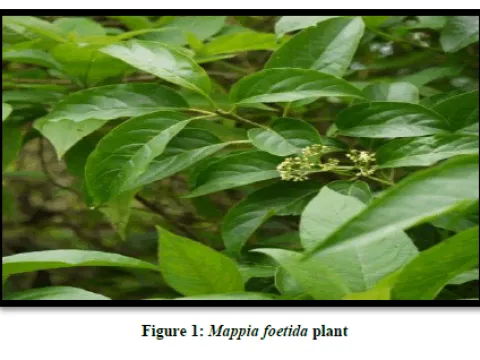
Mappia
Mappia
The genus Mappia belongs to the family Icacinaceae, consisting of woody plants native to the tropical regions of Asia and the Americas. These trees are known for their distinct presence in dense forest ecosystems.
What the section contains

Mappia
Regarding environmental needs, Mappia requires a tropical climate with high humidity and consistent warmth throughout the year. It does not tolerate frost or cold drafts, which are detrimental to its structural integrity and growth metabolism.
The soil requirements are specific: the plants thrive in well-drained, nutrient-rich soils that mimic forest floor conditions. Adequate organic matter and a slightly acidic to neutral pH are ideal for optimal nutrient uptake.
Botanically, Mappia species are characterized by their evergreen leaves and small, often clustered flowers. Their growth habit is relatively slow, making them highly dependent on stable environmental conditions during their initial developmental stages.
The primary agricultural and economic interest lies in the phytochemical properties of Mappia. Researchers focus on extracting potential therapeutic compounds from the plant tissues, which show promise in pharmaceutical applications.
Mappia is susceptible to various fungal pathogens that flourish in humid environments. Root rot caused by poor soil drainage remains the most significant threat to the overall health and longevity of the plant.
Insect pests such as spider mites and scale insects can severely impact the plant, feeding on the foliage and weakening the tree's immune response to secondary infections.
Environmental stressors, particularly deforestation and habitat fragmentation, pose a major threat to wild populations. The survival of these plants depends heavily on preserved ecosystems.
Preventative measures against threats include maintaining strict quarantine protocols for new specimens and ensuring that the growth environment is properly ventilated to discourage mold growth.
Integrated Pest Management (IPM) is essential for Mappia cultivation. Utilizing biological controls rather than harsh synthetic chemicals helps preserve the chemical integrity of the plant for medicinal use.