
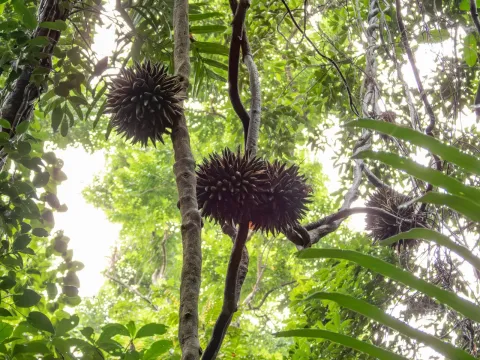
Phytocrene
Phytocrene
Phytocrene is a genus of woody vines belonging to the Icacinaceae family. These plants are primarily native to the tropical forests of Southeast Asia, ranging from India to Indonesia. In their natural habitat, they thrive in humid conditions, requiring constant warmth and significant precipitation throughout the year.
What the section contains

Phytocrene
Botanically, Phytocrene species are characterized by robust, climbing stems that rely on larger trees for support. The leaves are typically leathery, an adaptation that allows the plant to efficiently manage transpiration under the thick canopy of a rainforest. The root system is extensive, reflecting the plant's need to compete for nutrients in lush tropical soils.
Successful cultivation of Phytocrene requires maintaining a climate that mimics its native environment, with temperatures consistently between +22 and +30 degrees Celsius. The plants are highly intolerant of cold, making indoor or greenhouse cultivation essential for their survival in non-tropical climates.
Soil requirements focus on high organic content and excellent drainage. The plant grows best in porous, nutrient-rich substrates that prevent waterlogging. A neutral to slightly acidic pH level is ideal for optimizing nutrient absorption by the root system.
The economic and agricultural utility of Phytocrene is primarily linked to its ethnobotanical and pharmacological importance. Certain parts of the plant are utilized in local traditional healing practices, and modern research continues to explore the potential therapeutic properties of its complex secondary metabolites.
Fungal infections are the most significant threat to Phytocrene in cultivation, often triggered by excessive humidity levels and stagnant air. Root rot is particularly problematic, usually resulting from poor soil drainage or over-watering practices.
Pests that frequently infest these vines in enclosed environments include spider mites and whiteflies. These insects can quickly overwhelm the plant, damaging the leaf tissue and reducing the overall vitality of the vine if left untreated.
Preventive care involves frequent monitoring of the foliage and ensuring proper air circulation within the greenhouse. Maintaining a clean environment helps reduce the likelihood of pathogen spread between individual specimens.
Management of pests is best achieved through the use of organic insecticidal soaps or biological controls, as the plant may be sensitive to synthetic chemicals. Regular maintenance and pruning help keep the plant in a robust and resistant state.
An effective protection strategy relies on early diagnosis. By observing the plant closely on a weekly basis, growers can intercept potential infestations before they become established, ensuring the health and longevity of the culture.