
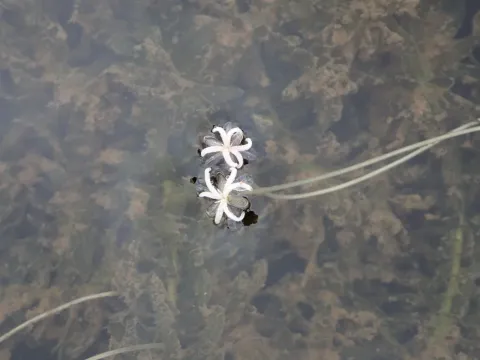
Chilean elodea
Elodea chilensis
Chilean elodea, scientifically known as Elodea chilensis, is a perennial submerged aquatic plant belonging to the Hydrocharitaceae family. It is native to South America and is characterized by its ability to adapt to a wide range of temperate freshwater environments.
What the section contains
Chilean elodea
The plant features slender stems that grow submerged, typically adorned with whorls of three leaves. These leaves are light green, linear to lanceolate in shape, and are responsible for efficient photosynthesis under various water clarity levels.
Regarding its environmental needs, Chilean elodea thrives best in waters with a temperature range of 16°C to 24°C. While it is quite resilient to cooler temperatures, extreme heat can sometimes lead to physiological stress if oxygen levels in the water drop significantly.
Lighting is a fundamental requirement for this species. It demands high levels of ambient light to sustain its rapid vegetative growth. In situations where lighting is restricted, the plant exhibits etiolation, leading to weak, elongated stems that break easily.
While the plant can extract nutrients directly from the water column, a substrate rich in organic matter helps stabilize the root system. This allows the plant to remain fixed in the sediment, providing a better structure for spreading throughout the basin.
The yield potential of Chilean elodea is primarily defined by its aggressive vegetative propagation. The plant grows quickly, frequently doubling its biomass in a short timeframe, which makes it a high-turnover crop for specific aquatic applications.
In aquaculture, this plant acts as an efficient nutrient sink, absorbing excess nitrates and phosphates. By managing water quality, it supports the health of fish populations and reduces the need for expensive chemical filtration systems in closed setups.
Beyond water maintenance, the harvested biomass can be processed into green manure. Because of its nutrient-dense composition, it serves as an excellent organic soil conditioner once properly composted and dried, adding essential minerals back into the land.
Commercial cultivation often involves setting up controlled ponds where harvesting cycles are aligned with the peak growth season. Regular thinning of the plants prevents overcrowding and ensures consistent growth rates across the entire planted area.
Proper management of the harvested biomass is crucial. Mechanical harvesting devices are typically used to remove excess growth, ensuring the water body remains productive without becoming choked by overabundant vegetation.
Chilean elodea is susceptible to several types of bacterial and fungal infections, particularly when water quality parameters deviate from the norm. Soft rot is a common symptom where stems collapse, often linked to stagnant water or excessive debris.
Pests such as aquatic snails and certain larval insects can cause significant damage to the delicate leaf tissues. If left unmanaged, these infestations provide an entry point for secondary pathogens that can destroy large portions of the crop.
Environmental toxicity remains a major threat to the species. Exposure to heavy metals or certain herbicides used in nearby agricultural runoff can severely stunt growth or cause total plant mortality, as the plant is highly sensitive to water chemistry changes.
Competition from invasive algae poses a significant threat, as algae can block necessary sunlight. Without adequate light penetration, the elodea plants lose their competitive advantage and are quickly outgrown by filamentous algae mats.
To maintain a healthy crop, growers must focus on preventative measures, including regular water quality testing and monitoring for early signs of leaf discoloration. Prompt removal of damaged material helps keep the remaining population robust and disease-free.