
Blyxa
Blyxa
Blyxa is a genus of aquatic plants belonging to the Hydrocharitaceae family. These plants are widely distributed across the tropical and subtropical regions of Asia, Africa, and parts of Australia, typically inhabiting stagnant or slow-moving water bodies.
What the section contains


Blyxa
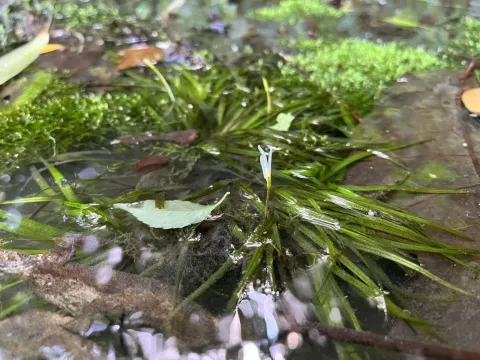
The plant is characterized by a stemless rosette of narrow, grass-like leaves. Depending on the species, such as the widely known Blyxa japonica, the plant forms dense, lush bushes that serve as an excellent habitat for aquatic fauna and a focal point in aquascaping.
Successful cultivation requires intense lighting to maintain compact growth and healthy coloration. A high-intensity light source is essential, as the plant relies heavily on photosynthesis to sustain its rapid growth rate and metabolic functions.
The plant thrives in water temperatures ranging from 22°C to 28°C. It is sensitive to water chemistry, preferring slightly acidic to neutral water conditions with a pH level between 6.0 and 7.0, along with adequate supplementation of CO2 for optimal development.
Nutrient-rich, fine-grained substrate is vital for Blyxa. Since the plant possesses a relatively delicate root system, the soil must be fine enough to allow roots to penetrate easily while providing access to essential macro and micronutrients, particularly nitrogen and iron.
The primary threats to the health of Blyxa are imbalances in aquatic parameters, specifically fluctuations in water hardness or pH levels. Such stressors often lead to the disintegration of the foliage and significant root rot, which is difficult to reverse.
Pests such as herbivorous aquatic snails can cause mechanical damage to the thin, soft leaves of the plant. Furthermore, if the nutrient uptake is hindered, the plant becomes susceptible to fouling by filamentous algae, which severely inhibits its capacity for photosynthesis.