
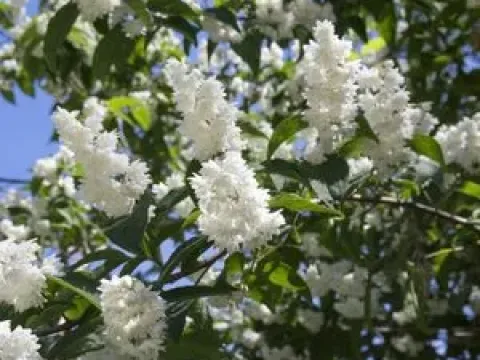
Deutzia scabra
Deutzia candelabra
Deutzia scabra is a perennial deciduous shrub belonging to the Hydrangeaceae family. Known for its arching branches and profuse clusters of white or pinkish-white flowers, this plant serves as a staple in ornamental gardening for temperate climate zones.
What the section contains
Deutzia scabra
The shrub originates from East Asia, specifically Japan and China, where it grows in woodland margins. This evolutionary background explains its preference for dappled sunlight or partial shade and protection from harsh, drying winds that can affect winter survival.
Regarding soil requirements, the species thrives in moist, well-drained, and nutrient-rich soils with a slightly acidic to neutral pH. It is crucial to ensure excellent drainage, as the roots are susceptible to rot if submerged in stagnant water for extended periods.
The cultural maintenance requires consistent moisture levels throughout the growing season. Applying a layer of organic mulch around the root zone helps retain soil moisture, suppresses weeds, and provides additional nutrients as it gradually decomposes.
Pruning is essential for maintaining the shape and vigor of the shrub. Gardeners should prune the branches immediately after the flowering period ends, as flower buds are produced on the previous year's growth. Removing about one-third of the oldest stems encourages fresh, healthy growth.
Deutzia scabra is generally resilient, but it can be susceptible to aphids. These small insects tend to cluster on soft new growth, draining the plant's sap and potentially causing stunted foliage; regular horticultural oil treatments can manage these populations.
Fungal issues such as leaf spot are common in regions with high humidity or poor air circulation. To minimize these threats, it is advised to space plants correctly and avoid overhead irrigation, which keeps the foliage wet and invites spores.
Powdery mildew can occur during hot, dry summer periods. This appears as a powdery white substance on the leaves, which can be mitigated by improving airflow within the shrub's canopy and using appropriate systemic fungicides when necessary.
Spider mites are potential pests, especially during prolonged droughts. Symptoms include yellowing leaves and fine webbing; keeping the plant well-watered and using insecticidal soaps are standard control measures to prevent significant damage.
Maintaining plant health through balanced fertilization and correct site selection is the best preventative strategy. Regular monitoring of the foliage helps detect early signs of infestation, ensuring the shrub remains a decorative asset for the garden.