
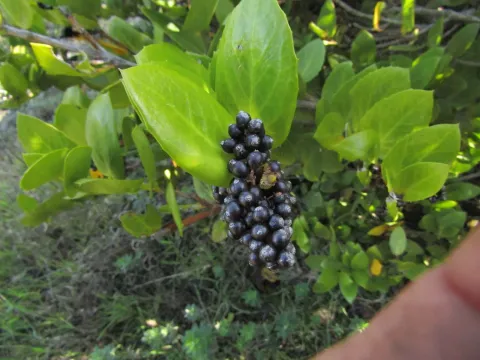
Griselinia scandens
Griselinia scandens
Griselinia scandens is a robust evergreen shrub belonging to the Griseliniaceae family. Native to the coastal regions of New Zealand, it has evolved to thrive in maritime environments, showing remarkable tolerance to saline winds and spray.
What the section contains
Griselinia scandens
Botanically, the plant is characterized by its glossy, thick, leathery, and oval-shaped leaves. Its dense foliage makes it an excellent choice for privacy screening and windbreaks in garden designs, as it maintains a lush green appearance throughout the year.
The cultural requirements for this plant focus on well-draining soil and a temperate climate. It performs best in fertile, slightly moist soil but is highly intolerant of waterlogged conditions, which can lead to root damage and eventual decline.
In terms of light, Griselinia scandens prefers a position in full sun to partial shade. While it is hardy in many coastal areas, it requires protection from severe frost, as prolonged exposure to freezing temperatures below -5°C can cause significant damage to young shoots.
Regular maintenance involves light pruning to manage its shape and size. As a fast-growing shrub, it responds well to trimming, which encourages bushier growth and allows gardeners to maintain dense, neat hedges for aesthetic and functional purposes.
The primary health issues affecting Griselinia scandens are typically related to poor drainage or inadequate air circulation. Root rot is a common threat caused by water accumulation, making site preparation with proper drainage essential for long-term health.
Pest problems can include infestations of aphids or scale insects. These pests often congregate on the undersides of the leaves or along the stems, sapping nutrients and potentially leading to the development of sooty mold on the foliage surface.
Fungal issues such as powdery mildew may appear in environments where humidity is high and air movement is restricted. Keeping the plants spaced appropriately is the most effective cultural method to mitigate the risk of these fungal infections.
In hot and dry summers, spider mites can become an issue, particularly if the plant is stressed by drought. Early detection through regular monitoring and occasional overhead misting can help prevent mite populations from reaching damaging levels.
Integrated pest management, including pruning for airflow and the judicious use of organic or chemical treatments when necessary, ensures the continued health and vigor of the shrubs throughout their lifespan in the garden.