
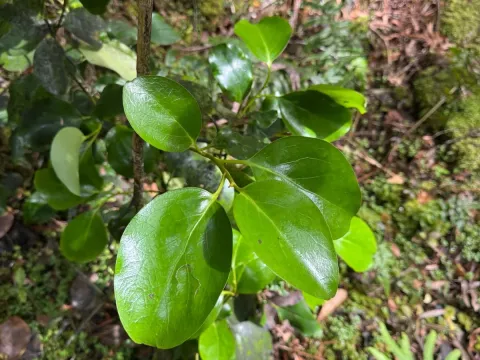
Griselinia
Griselinia
Griselinia is a genus of evergreen dioecious shrubs and small trees belonging to the Griseliniaceae family. Native to New Zealand and parts of South America, these plants are highly valued in horticulture for their attractive, glossy foliage and robust growth habits.
What the section contains


Griselinia
The culture thrives in mild, temperate climates, particularly in coastal regions where humidity is consistently moderate. It prefers a sheltered position with partial to full sun, although it is remarkably tolerant of salt-laden winds, making it an excellent choice for maritime gardens.
Regarding soil requirements, Griselinia demands well-drained, fertile soil with a neutral to slightly acidic pH. Waterlogging is a significant risk for this species, as stagnant moisture quickly leads to root hypoxia and subsequent decline of the entire plant.
Standard agronomic practice involves consistent watering during the establishment phase and regular pruning to maintain density and shape. While the plant is drought-tolerant once mature, young specimens require supplemental irrigation and protection during extreme frost events.
Its primary economic use is in landscape design, specifically for the installation of dense screening hedges. Its ability to withstand heavy clipping allows for a uniform appearance, serving as both a windbreak and an aesthetic focal point in large estates and gardens.
Common pests affecting Griselinia include scale insects and mealybugs, which tend to congregate in the axils of the leaves. Systematic treatment with horticultural oils or approved insecticides is recommended to manage infestations before they spread significantly.
Root rot and Phytophthora are the most critical pathological threats, typically triggered by poor drainage and excessive moisture. Improving soil structure through organic amendments is the most effective preventative measure against these soil-borne pathogens.
Nutrient deficiencies, specifically iron or magnesium chlorosis, may occur in alkaline or compacted soils. Application of micronutrient-rich fertilizers and ensuring proper drainage can correct these symptoms and restore the plant's characteristic vibrant green color.
Fungal leaf spot diseases may occur in stagnant, humid environments where foliage remains wet for extended periods. Pruning to ensure proper air circulation throughout the canopy is essential to minimize the development of these fungal outbreaks.
Winter injury manifests as marginal leaf burn during periods of severe cold or drying winds. Establishing a windbreak or applying protective horticultural fleece during the first few years of growth is recommended to ensure the long-term health of the crop.