
Velleia paradoxa
Velleia paradoxa
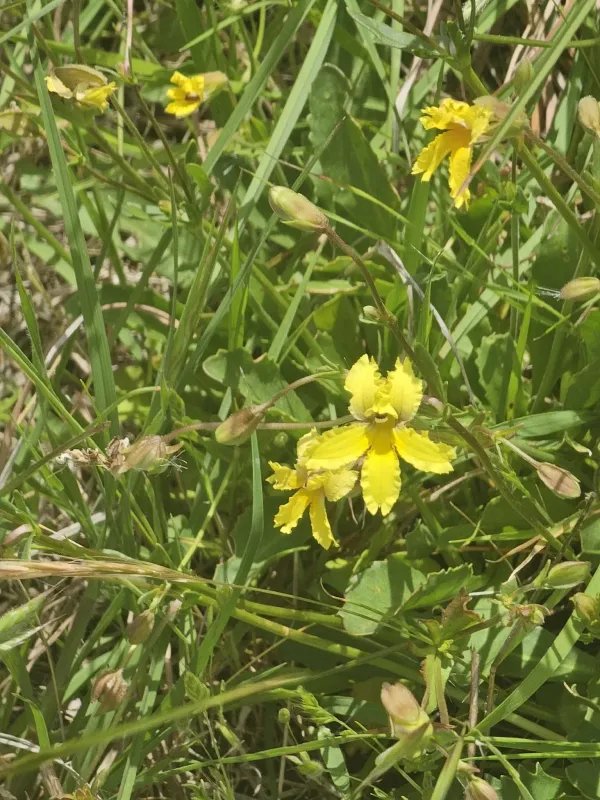
Description
Growing requirements
Velleia paradoxa is a perennial herbaceous plant belonging to the Goodeniaceae family. It is a native species to Australia, naturally distributed across various habitats ranging from open woodlands to shrublands, showcasing remarkable resilience in its natural environment.
Botanically, the species is identified by its basal rosette of leaves and striking yellow flowers. The flowers exhibit a unique structure typical of the Goodeniaceae, where the pollen is deposited on a special cup-like structure called an indusium before pollination occurs.
The plant thrives in well-drained soil profiles, often preferring sandy or loam-based substrates. Proper drainage is the most critical factor for its successful cultivation, as the roots are susceptible to rot in waterlogged conditions.
Regarding climate, Velleia paradoxa is adapted to regions with seasonal rainfall and consistent light. It demonstrates good tolerance to moderate heat and intermittent dry periods, making it a viable candidate for low-maintenance horticultural applications in appropriate climates.
Cultivation practices should emphasize minimal soil disturbance and the maintenance of a weed-free area around the base of the plant. Since it is accustomed to native Australian soil conditions, it does not require heavy fertilizer applications, which can actually be detrimental to its growth.