
Dampiera teres
Dampiera teres Lindl.
Description
Growing requirements
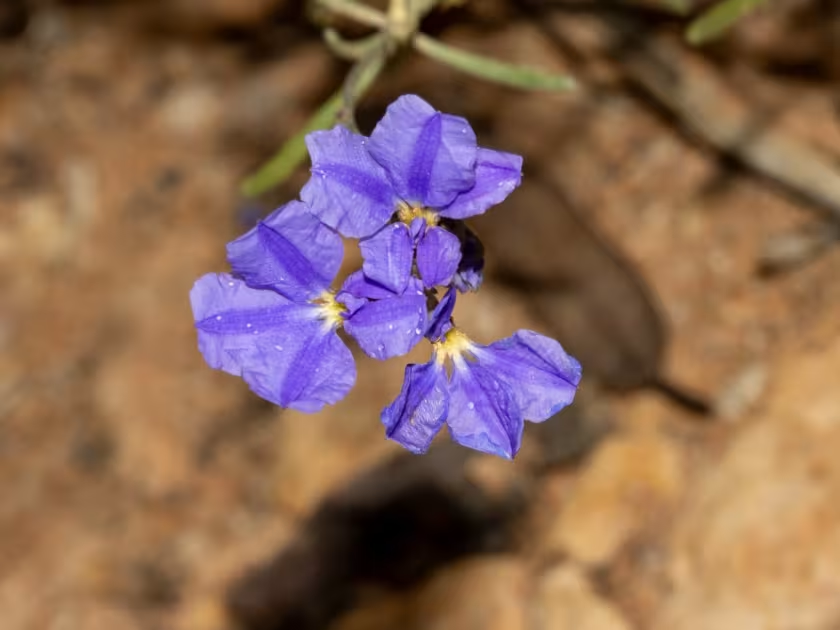
Dampiera teres is an intriguing species within the Goodeniaceae family, native to the arid landscapes of Western Australia. As a perennial sub-shrub, it has evolved unique morphological adaptations to thrive in nutrient-poor soils and limited water availability.
The morphology of the plant features slender stems and linear, often slightly hairy leaves that minimize water loss. Its biological structure is highly specialized for survival in semi-arid environments, making it a subject of interest for specialized horticulture and xeriscaping.
Successful cultivation of this species requires a location with full, unobstructed sun exposure. Providing enough light is crucial for maintaining the plant's structural integrity and encouraging the development of its iconic, deeply pigmented blue-purple flowers during the flowering season.
Soil drainage is the most vital factor in the maintenance of Dampiera teres. The substrate must be porous, preferably composed of sandy or rocky components to prevent any risk of water stagnation, which is rapidly lethal to the plant's delicate root system.
In terms of agricultural management, irrigation should be carefully controlled to mimic natural precipitation patterns. Providing a dry, dormant period during the off-season is essential to prevent physiological stress and ensure the long-term viability of the plant in a managed garden environment.
Main diseases and pests
The primary threats to this plant are fungal pathogens such as Phytophthora or Pythium, which typically manifest in waterlogged or overly humid conditions. Prevention focuses entirely on drainage management and ensuring sufficient airflow around the foliage.
Insects like aphids or mealybugs can occasionally colonize the plants, especially in greenhouses or sheltered areas. Integrated pest management using systemic or contact horticultural soaps is generally effective if applied early enough to prevent significant leaf damage.