
Sweetia panamensis
Sweetia panamensis
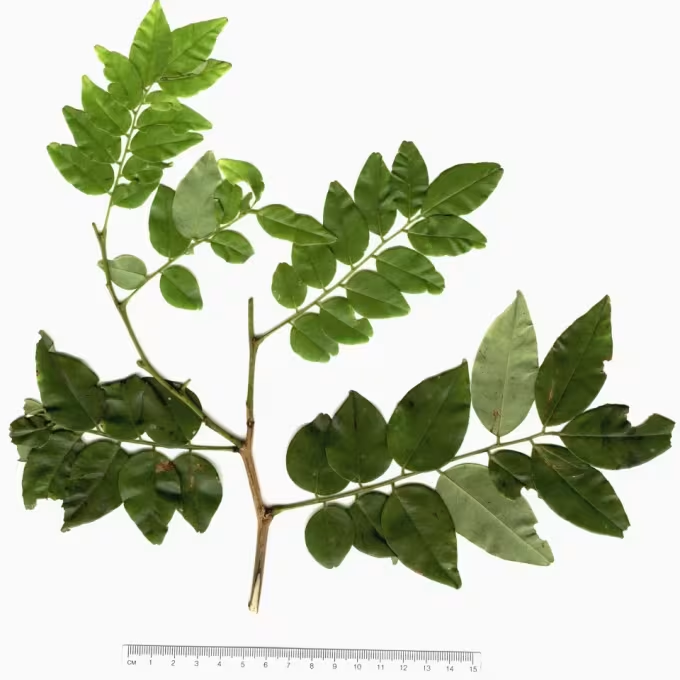
Description
Growing requirements
Sweetia panamensis, commonly known in its native range as Chichon, is a prominent tree species belonging to the Fabaceae family. It is a large, canopy-forming tree that can reach significant heights and diameters in its natural tropical habitat.
The native distribution area of this species spans across Central American countries, including Panama, Costa Rica, and Honduras. It typically thrives in tropical moist forests where rainfall is consistent and temperatures remain high throughout the year.
Cultivation of Sweetia panamensis requires deep, fertile, and well-drained soils. The species is highly sensitive to waterlogged conditions, which are known to inhibit root respiration and significantly increase the risk of fungal pathogens in the root zone.
Climate requirements for this species are strictly tropical. It demands an environment where temperatures remain between 22 and 30 degrees Celsius. Exposure to frost or cold snaps is fatal to the tree, which restricts its agricultural range to specific tropical zones.
Light management is a critical aspect of Sweetia panamensis silviculture. While seedlings benefit from partial shade to prevent desiccation during the initial growth phase, adult trees are highly heliophilous and require full sun exposure to maintain vigorous growth rates.
Harvesting
The primary economic value of Sweetia panamensis is its exceptional timber. The wood is renowned for its high density, hardness, and striking durability, often sought after for specialized construction projects that require long-term structural integrity.
The timber industry utilizes this wood for luxury furniture, high-end flooring, and decorative veneer. Its resistance to decay and termites makes it a preferred choice for outdoor applications in humid climates, provided the wood is properly treated and dried.
Silvicultural management focuses on long-term production cycles. Growers must implement regular thinning and pruning protocols to ensure the development of straight, high-quality boles, which significantly increases the market value of the harvested wood.
Harvesting involves selective logging of mature specimens. Sustainable practices are essential to maintain the ecological balance of the plantation, ensuring that the soil remains productive and that natural regeneration is supported after the primary crop is removed.
Processing the harvested logs requires heavy-duty machinery due to the extreme hardness of the wood. Kiln drying or prolonged air seasoning is mandatory to stabilize the timber and prevent warping or cracking in the final high-quality wood products.