
Sweetia fruticosa
Sweetia fruticosa
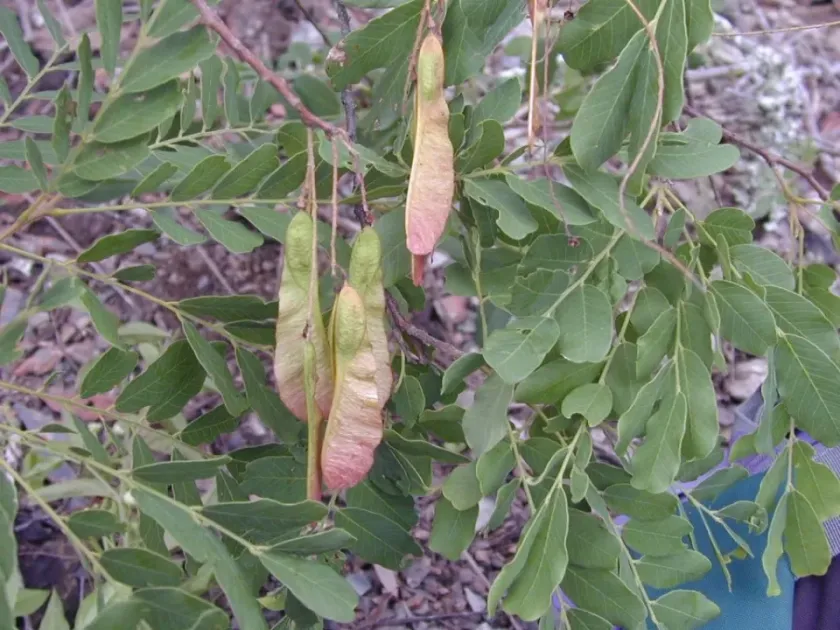
Description
Growing requirements
Sweetia fruticosa is a woody plant belonging to the Fabaceae family. It is recognized for its adaptability and roles within tropical and subtropical ecosystems where it originates from South America.
The plant thrives in regions with warm, stable climates and high solar radiation. It requires well-drained soil types to prevent moisture stagnation, which is critical for its health.
In terms of site selection, it is essential to choose areas that provide consistent exposure to light and avoid heavy, clay-rich soils that restrict root development.
The species grows effectively in environments where the nutrient content of the soil is moderate, although organic amendments can significantly boost initial growth rates in nursery settings.
Adequate spacing between plants is required to ensure proper air circulation and to minimize the risk of competition for light, water, and essential soil nutrients.
Yield
The primary economic value of Sweetia fruticosa lies in its high-quality timber. The wood is dense and durable, making it suitable for various construction and carpentry purposes.
As a nitrogen-fixing legume, the plant significantly contributes to soil fertility. It is frequently employed in reforestation projects to rehabilitate depleted land and restore ecological functions.
The utilization of plant biomass for green manure applications is another promising direction for sustainable farms aiming to reduce dependence on synthetic fertilizers.
Yield estimation is strictly correlated with plantation management intensity, including the frequency of pruning, weed control, and irrigation management during the dry season.
Ongoing research aims to identify specific cultivars that exhibit faster growth rates and increased resistance to environmental stresses, enhancing overall profitability.
Main diseases and pests
Common threats include fungal pathogens that target the root system, particularly in cases where soil drainage is poor or excessive irrigation is applied over extended periods.
Pest pressure from defoliating insects can be significant in younger plantations, requiring systematic monitoring and the implementation of cultural control practices.
Maintaining a balanced ecosystem within the plantation helps suppress pest populations naturally through the presence of beneficial insects and predators.
Sanitation measures, such as the removal of infected branches or debris, are crucial to prevent the spread of diseases within dense plant populations.
Careful selection of planting material is recommended to ensure that individuals are not already carrying latent pathogens that could jeopardize the entire crop cycle.