
Swartzia cubensis
Swartzia cubensis
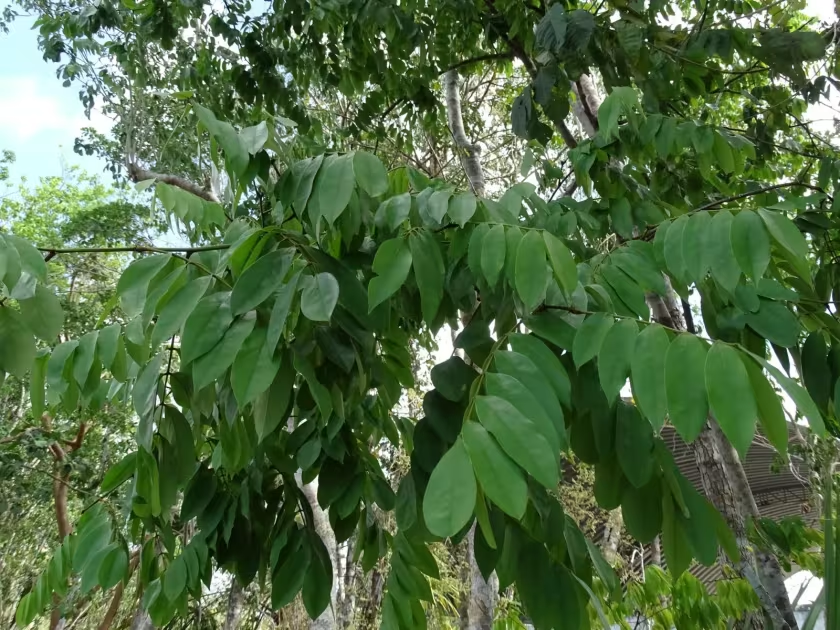
Description
Growing requirements
Swartzia cubensis is a species within the Fabaceae family, native to the tropical forests of Central America and the Caribbean. This tree is highly valued not only for its botanical uniqueness but also for its significant role in the tropical ecosystem.
The tree requires a tropical climate with consistent temperatures and high humidity levels throughout the year. It does not possess any tolerance for frost, necessitating cultivation strictly within frost-free tropical zones.
Optimal growth conditions involve well-drained, nutrient-rich soils. While the plant can adapt to various soil textures, it thrives best in deep substrates where root penetration is not hindered by waterlogging or dense compaction.
Sunlight exposure is a critical factor in the plant's development. While seedlings may benefit from dappled shade, mature specimens require significant exposure to sunlight to support their energy-intensive growth cycles.
Agricultural management includes site maintenance to ensure adequate nutrient availability and moisture management, especially during the establishment phase of a new plantation to prevent stunted development.
Harvesting
The primary economic focus of Swartzia cubensis is the production of premium-quality timber. This wood is widely recognized in the furniture and woodworking industries for its exceptional hardness and durability.
Common applications for the wood include high-end cabinetry, artisanal carving, and the production of musical instruments. Its aesthetic appeal, characterized by a distinct grain pattern, makes it a favored choice among professional craftsmen.
Due to the tree's slow-growing nature, timber production is viewed as a long-term investment. Careful planning is required to balance economic harvest objectives with the biological growth rates of the forest stand.
Post-harvest procedures involve kiln-drying to stabilize the wood, reducing the likelihood of warping or shrinking in the finished products, which is essential for maintaining high product quality standards.
Sustainable harvesting practices are encouraged to ensure the longevity of the resource. By implementing selective logging techniques, growers can manage their plantations effectively while preserving the surrounding ecosystem biodiversity.