
Swartzia panacoco
Swartzia panacoco
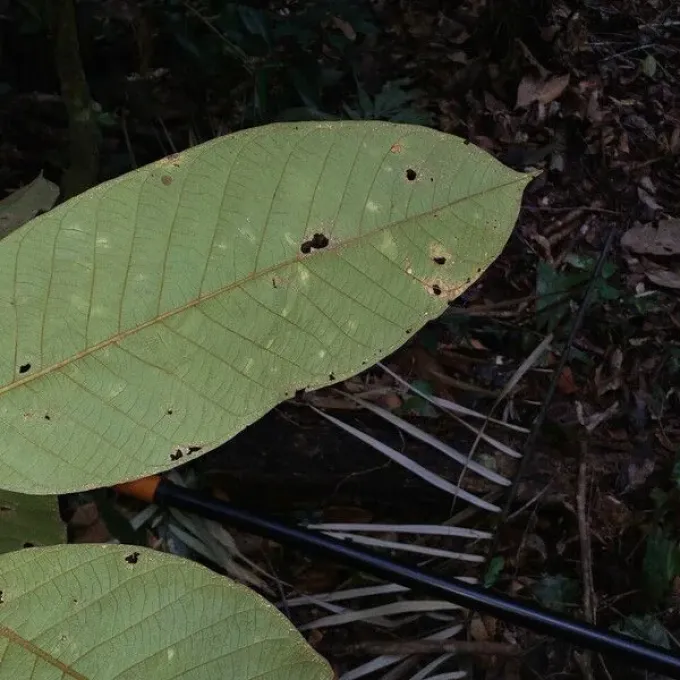
Description
Growing requirements
Swartzia panacoco is a significant tropical tree species belonging to the Fabaceae family. It is natively found in the dense rainforests of South America, with its distribution centered in the Amazon basin, covering regions across Brazil, Guyana, and Venezuela.
The tree requires a humid, tropical climate to thrive, characterized by consistently high temperatures and significant rainfall throughout the year. It does not tolerate prolonged dry seasons or extreme temperature fluctuations, making it site-specific for plantation efforts.
Regarding soil preferences, Swartzia panacoco favors well-drained, acidic forest soils rich in organic matter. Its root system is adapted to the nutrient cycling typical of tropical ecosystems, and it struggles in waterlogged or overly saline conditions.
Agrotechnical cultivation requires careful management of light exposure during the seedling stage. Young plants often require shade before gradually transitioning to more exposed conditions, mimicking the natural gap-phase dynamics of the rainforest.
Propagation is primarily done via seeds, which require specific temperature conditions (25-30°C) for successful germination. Due to its slow growth, establishing a plantation requires long-term commitment and strategic site selection within suitable climatic zones.
Yield
The primary economic value of Swartzia panacoco lies in its high-quality, dense timber. It is widely prized for its durability, resistance to decay, and natural resilience against biological attacks, making it a premium choice for cabinetmaking.
The wood is frequently used for high-end furniture, fine interior flooring, and specialty turnery. Its aesthetic qualities, combined with physical strength, ensure that lumber harvested from this species commands a high price in international markets.
While biomass yield per hectare is lower compared to fast-growing pioneer species, the economic yield is offset by the scarcity and superior physical properties of the wood. This makes it an attractive species for long-term sustainable forestry projects.
In addition to timber, the species contributes to the structural diversity of tropical landscapes. Research into the chemical components of its bark and seeds continues to explore potential applications in natural product chemistry and pharmaceuticals.
Yield management requires precise harvesting schedules to ensure the sustainability of the population. Proper rotation cycles are essential to avoid the depletion of the natural stock and to ensure the longevity of the forestry enterprise.
Main diseases and pests
Environmental degradation and the ongoing loss of tropical habitats constitute the primary threat to the species. Anthropogenic activity, particularly unregulated logging, remains the most significant risk to existing populations.
From an agronomical perspective, Swartzia panacoco can be affected by wood-boring insects and termite infestations if the harvested logs are not treated or stored correctly. Fungal pathogens pose a risk, especially in environments with insufficient air circulation.
Disease prevention in plantations involves maintaining adequate spacing between trees to prevent the rapid spread of infections. Proper drainage is crucial to avoid root-related pathogens that often plague legume trees in tropical nurseries.
Integrated pest management strategies are recommended to protect the trees without disrupting the delicate balance of the tropical biome. Monitoring for leaf-feeding insects and signs of nutrient deficiencies is necessary during the first few years of growth.
Overall, while the species is robust, its slow growth cycle makes it vulnerable to external pressures during the long period required to reach maturity. Ensuring healthy growth necessitates a balanced approach between forest protection and sustainable utilization.