
Swartzia leiocalycina
Swartzia leiocalycina
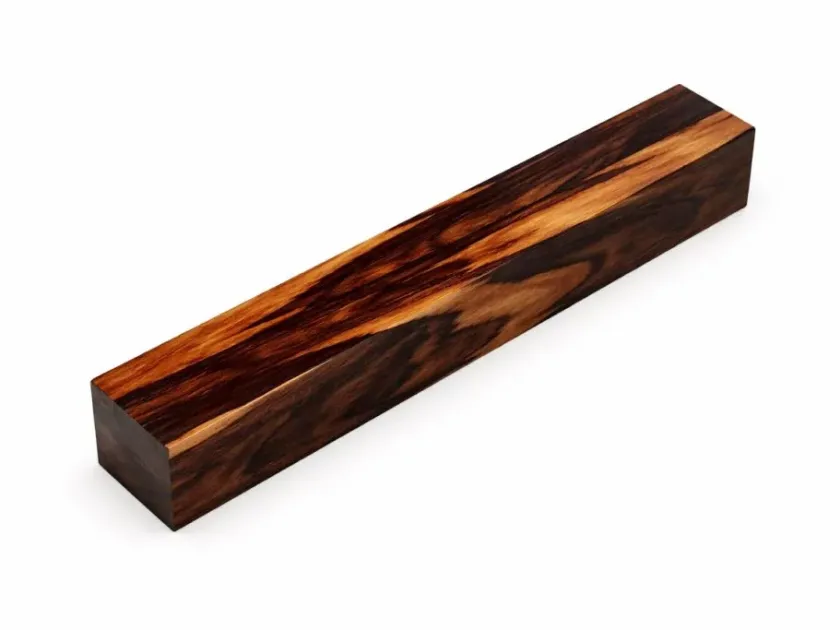
Description
Growing requirements
Swartzia leiocalycina is a majestic tropical tree species belonging to the Fabaceae family. Native to the rainforests of South America, particularly in Guyana, it is globally recognized in the timber industry by its common trade name, Wamara, highly prized for its dense and dark heartwood.
This species flourishes in humid tropical environments, requiring consistent rainfall and high temperatures throughout the year. It thrives in well-drained soil profiles typical of primary rainforests, where it can attain significant size while growing at a naturally slow rate.
Botanically, it is characterized by pinnate leaves and specialized floral structures that support its ecological niche. The slow growth rate is fundamentally linked to the exceptional density and strength of the timber, making it a preferred material for high-end applications like musical instrument parts.
Soil requirements focus on physical structure rather than high nutrient content, as the tree exhibits efficient nutrient cycling common in tropical ecosystems. It is generally intolerant of prolonged waterlogging but performs well on diverse, well-aerated substrates found across its native range.
Economic importance is centered on the production of luxury hardwood. Because the timber is rare and physically robust, sustainable management practices are essential to balance market demands with conservation efforts, ensuring the tree's long-term survival in its natural habitat.
Main diseases and pests
Like many hardwoods in its range, Swartzia leiocalycina is vulnerable to localized fungal infections, especially when the tree is under physiological stress. Wood-boring insects present a constant threat to the integrity of the heartwood, which can degrade the value of the harvested timber significantly.
The primary threat remains habitat loss due to deforestation and land conversion for agriculture. Illegal logging practices often bypass sustainable harvesting guidelines, leading to the fragmentation of populations and a decline in the natural regeneration of the species in the wild.
Environmental changes affecting local moisture levels can predispose the trees to bark necrosis and other pathogenic conditions. Monitoring the health of these trees is crucial for maintaining the productivity of the stands and preventing the spread of secondary pests that exploit weakened trunks.
Competition from fast-growing invasive species can suppress the recruitment of young saplings, creating a demographic bottleneck in natural forests. Active forest management, including the clearing of competing vegetation, is often necessary to support the survival of juvenile trees.
Strategic prevention programs involve strictly regulating harvesting intervals and conducting sanitary removals of infested specimens. Such measures ensure the resilience of the ecosystem and allow for the controlled exploitation of this high-value biological resource.