
Swainsona luteola
Swainsona luteola
Description
Sowing dates
Swainsona luteola is a perennial herb belonging to the Fabaceae family, native to the arid and semi-arid regions of the Australian continent.
In an agricultural context, this plant is recognized for its potential as a hardy legume, capable of thriving in harsh climates where other species might fail.
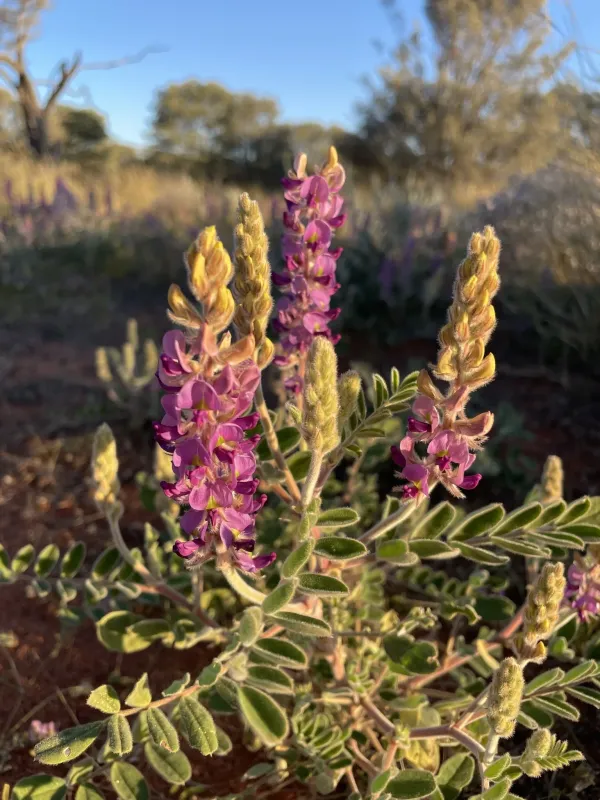
The botanical structure consists of pinnate leaves and distinctive yellow pea-like flowers, which are characteristic of its taxonomic group.
Its biological cycle is supported by a robust root system that facilitates a symbiotic relationship with nitrogen-fixing bacteria, enriching soil fertility.
The growth pattern of the species allows it to adapt to low-rainfall environments, making it a subject of interest for sustainable grassland management.
Growing requirements
The plant thrives in well-drained, sandy to loamy soils that prevent root saturation and ensure adequate aeration for the root system.
Full sun exposure is a fundamental requirement, as the species necessitates significant solar radiation to support its physiological processes and biomass production.
The soil pH should ideally remain neutral or slightly alkaline, reflecting the conditions found in its natural habitat across Australia.
Effective agrotechnical practices include maintaining weed-free zones around the plants, especially during the early growth stages to minimize competition.
Strategic phosphorus fertilization can be beneficial, as it promotes root health and improves the efficiency of symbiotic nitrogen fixation.
Main diseases and pests
The primary threats include fungal diseases such as powdery mildew, particularly when humidity levels rise unexpectedly during the growing season.
Insect pests, including various species of caterpillars and aphids, pose a risk to both foliage and tender shoots, necessitating regular monitoring.
Root rot caused by waterlogging is a common ailment that significantly reduces the plant's lifespan and overall vigor if drainage is insufficient.
Nematode infestations can lead to stunted growth and poor nitrogen uptake, requiring specific management strategies such as crop rotation.
Integrating biological controls and maintaining strict sanitation practices in the field are recommended to mitigate the impact of common pathogens.