
Swainsona procumbens
Swainsona procumbens
Description
Growing requirements
Swainsona procumbens, commonly known as Darling pea, is a perennial herbaceous plant belonging to the Fabaceae family. Native to Australia, this plant is well-regarded for its ecological role and potential in sustainable agricultural systems.
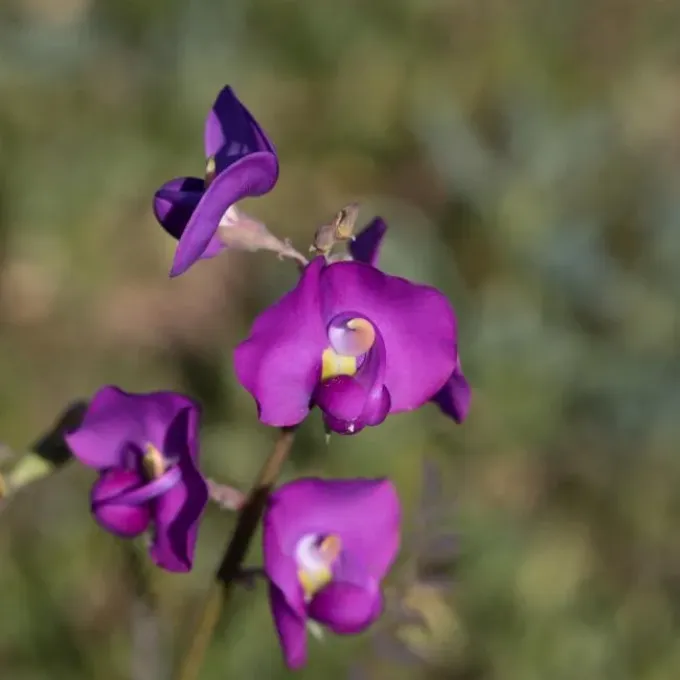
The plant features pinnate leaves and distinctive flowers, which are characteristic of its genus. It has adapted to various soil conditions, displaying significant drought tolerance, which makes it a resilient choice for specialized forage production in arid regions.
Ideal cultivation sites are characterized by well-drained loamy soils. While the species is highly adaptable, it thrives best in environments with full sun exposure and moderate annual rainfall, which encourages robust root system development.
Regarding climatic requirements, the plant prefers warm temperatures for its primary vegetative growth phase. It displays moderate frost tolerance, but extreme cold can significantly retard its development during the winter season.
Agronomically, it serves as a nitrogen-fixing legume, contributing to soil fertility improvement. It is primarily utilized in pastoral systems to improve the quality of natural grazing lands and as a drought-resistant forage source.
Main diseases and pests
The primary threats to Swainsona procumbens include various root rot pathogens, which are typically encouraged by poor drainage and waterlogged soil conditions. Proper soil management remains the best preventive measure.
Pest pressures often involve legume aphids and seed-feeding insects, which can reduce biomass yield and interfere with seed production. Regular scouting of the fields is essential during the flowering and pod formation stages.
Fungal diseases like powdery mildew can occur during periods of high humidity and poor ventilation within the plant canopy. Maintaining appropriate plant density helps in mitigating these risks through better airflow.
Invasive weed species can outcompete the young seedlings in the early stages, making early-season weed control essential for maintaining crop stand density. Cultivation practices should focus on non-chemical weed management where possible.
Environmental stress, such as prolonged waterlogging, can also weaken the plant, making it more susceptible to secondary infections by opportunist pathogens. Ensuring an optimal water regime is crucial for plant health.