
Swainsona galegifolia
Swainsona galegifolia
Description
Growing requirements
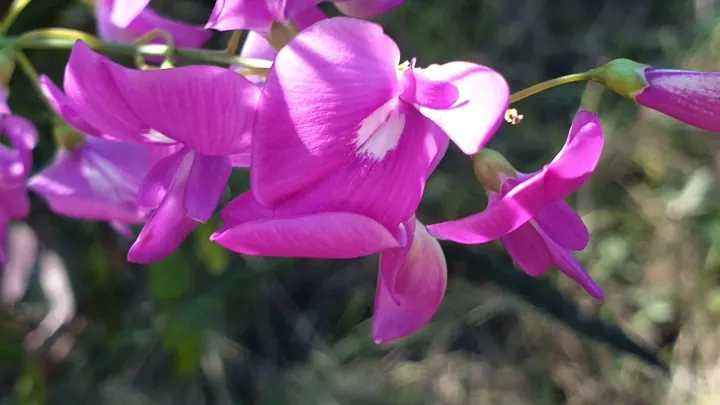
Swainsona galegifolia is a perennial subshrub belonging to the Fabaceae family, native to Australia. It is widely recognized for its elegant, pinnate foliage and pea-like flowers that range from white to shades of red and purple.
The plant thrives in well-drained soils and prefers locations with full sun exposure. It is crucial to ensure that the site is not prone to waterlogging, as the root system is highly sensitive to excessive moisture levels which can lead to rapid decay.
In terms of climate, it performs best in mild conditions. While it can withstand moderate heat, it is not particularly frost-hardy, requiring winter protection or cultivation in containers in regions with freezing temperatures.
Soil preparation should include adding organic matter to improve drainage and aeration. Maintaining a neutral soil pH is generally sufficient for healthy growth, ensuring that the plant can access the necessary micronutrients throughout the season.
Regular maintenance involves light pruning to encourage bushier growth and promote better flowering. Given its leguminous nature, it does not require excessive nitrogen fertilization, as it can fix nitrogen in the soil through symbiotic root bacteria.
Main diseases and pests
The primary threats to the health of this species include fungal infections such as powdery mildew, especially if the air circulation is poor or if the plant is grown in overly humid environments. Proper spacing is essential to mitigate this risk.
Aphids are the most common insect pests encountered during the growing season. These insects feed on the succulent growth of the plant, potentially causing distortion of the leaves and attracting sooty mold due to their honeydew secretions.
Spider mites can also be problematic in dry, hot weather conditions. They thrive in low humidity and can weaken the plant by feeding on the cellular contents of the leaves, resulting in stippling and eventual leaf loss.
Integrated pest management, involving the introduction of beneficial predators or the use of horticultural oils, is highly recommended for effective control. This approach minimizes the impact on the environment while maintaining the health of the plants.
General hygiene, such as removing fallen leaves and pruning dead wood, remains the best defense against pathogens. Maintaining a clean and aerated growing space significantly reduces the likelihood of severe outbreaks of pests or diseases.