
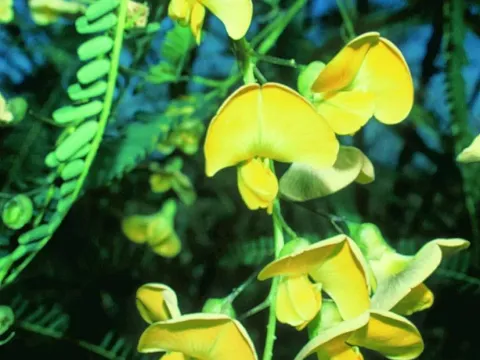
Sesbania macrantha
Sesbania macrantha
Sesbania macrantha is a woody legume belonging to the Fabaceae family. It is recognized for its rapid growth rate and its ability to thrive in various tropical and subtropical environments.
What the section contains
Sesbania macrantha
Native to Africa, this species is well-adapted to warm, humid climates. It is particularly noted for its high tolerance to waterlogged soils, making it an excellent candidate for agricultural land prone to temporary flooding.
The crop prefers fertile, well-draining soils but shows remarkable resilience across diverse soil types. It is often used in land reclamation projects to improve soil structure through biomass incorporation.
Cultivation practices involve direct seeding into prepared seedbeds. Given its fast-growing nature, proper spacing is essential to ensure maximum biomass production per hectare.
Beyond soil improvement, Sesbania macrantha is utilized for its foliage, which serves as a supplemental protein source for livestock. It is also valued for its role in sustainable agroforestry systems.
The primary health risks for Sesbania macrantha include fungal infections that target the roots, especially in soils that remain saturated for long periods during cooler weather.
Common pests include various species of defoliating insects and beetles that target the foliage. These pests can significantly reduce photosynthetic capacity if not monitored effectively.
Preventive measures include implementing diverse crop rotations and ensuring that seeds are healthy and free from potential seed-borne pathogens before planting.
Weed management during the establishment phase is critical, as the crop requires full sunlight and can be hampered by aggressive competition from fast-spreading weeds.
Biological control agents and judicious use of pesticides are recommended when pest populations exceed economic thresholds, ensuring minimal impact on the local ecosystem.