
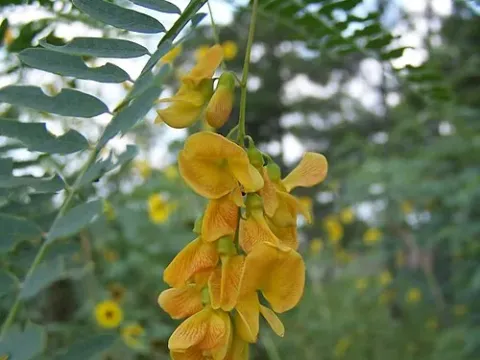
Sesbania leptocarpa
Sesbania leptocarpa
Sesbania leptocarpa is a heat-loving crop, requiring soil temperatures to reach at least 20 degrees Celsius before the planting process can begin.
What the section contains
Sesbania leptocarpa
The optimal sowing time in most regions is late spring or early summer, ensuring that the plant avoids any risk of cold damage during its early development.
Adequate soil moisture is critical for germination; therefore, planting is ideally performed shortly after rain or with the support of irrigation infrastructure.
Depending on the cultivation goals, such as biomass production or seed harvesting, the seeding rate ranges typically from 20 to 40 kilograms per hectare.
Seeds should be sown at a depth of 2 to 3 centimeters to ensure consistent emergence and to optimize the population density across the agricultural field.
As a member of the Fabaceae family, this crop is highly valued for its ability to fix atmospheric nitrogen, significantly improving soil fertility for future cycles.
Sesbania leptocarpa is remarkably tolerant of waterlogged conditions and can survive short-term flooding, making it suitable for difficult, heavy soil types.
The plant thrives in full sun exposure and requires a warm, frost-free growing season to accumulate maximum biomass and reach physiological maturity.
It displays excellent adaptation to saline and alkaline soils, where it often outperforms other traditional agricultural legume species under stress conditions.
The soil structure is improved through the deep root system of the plant, which assists in aeration and increases the overall biological activity of the soil ecosystem.
The yield of Sesbania leptocarpa biomass is exceptionally high under favorable conditions, serving as a powerful tool for organic soil amendment and green manuring.
The crop grows rapidly during the warm months, allowing for multiple cuttings or a substantial single harvest for biomass incorporation into the field.
Seed yields are reliable when proper agricultural practices are followed, ensuring enough grain production to sustain subsequent planting seasons on the farm.
The effectiveness of nitrogen fixation is a key driver of yield, directly influenced by the presence of symbiotic bacteria residing in the plant's root nodules.
Maximum biomass production is achieved when the crop is harvested during the flowering stage, just before the development of mature seed pods begins.
Various insect pests, such as leaf-eating beetles and caterpillars, can pose a threat to young seedlings and reduce the overall plant population density.
Fungal diseases like leaf spot or root rot may occur in regions with excessive humidity or poor field drainage, hindering the plant's growth and survival.
Root-knot nematodes are significant subterranean pests that damage the root system, ultimately interfering with the symbiotic nitrogen-fixation process.
Effective weed management during the establishment phase is essential, as the young plants are sensitive to competition for sunlight and essential nutrients.
Crop rotation and field hygiene are the primary methods used by agronomists to mitigate these threats and ensure a healthy and productive crop cycle.
Harvesting for green manure involves mowing or crushing the plant matter and incorporating it into the topsoil to enrich the earth with organic nitrogen.
When collecting seeds, it is crucial to wait until the pods have reached full maturity to prevent yield loss from premature shattering during the process.
For forage usage, the crop should be harvested before the stems become woody, as this ensures the highest nutritional value in the leafy material.
Mechanized harvesting tools are typically used to handle large-scale plantings, significantly reducing labor intensity and increasing efficiency during harvest.
The residues left in the soil after harvest continue to benefit the field, promoting soil structure stability and nutrient cycling for the next farming season.