
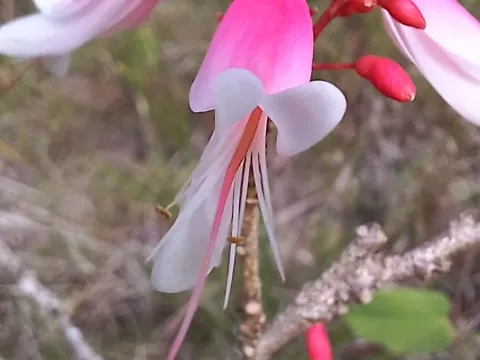
Poitea
Poitea
Poitea is a genus of flowering plants belonging to the large and economically significant family Fabaceae. These plants are primarily characterized as small trees or shrubs, native to the Caribbean region and specific islands in the West Indies, where they play a vital role in local tropical ecosystems.
What the section contains

Poitea
The cultivation of Poitea requires a tropical or subtropical climate characterized by consistent warmth and high humidity levels. The plant is extremely sensitive to thermal stress, particularly frost, and thrives best in environments where temperatures remain stable throughout the entire year, ideally between 20°C and 30°C.
Soil requirements are relatively specific: the plant demands deep, well-drained, and moderately fertile soil. Heavy or waterlogged clay soils are generally unsuitable as they restrict root respiration and promote the development of pathogenic fungi, which can be fatal to the plant's health.
In terms of agrotechnical management, Poitea benefits from clear site selection that allows for maximum sunlight exposure. As a nitrogen-fixing legume, the plant develops symbiotic relationships with beneficial bacteria, which significantly improves soil fertility, making it a sustainable choice for certain agroforestry projects.
The economic utility of Poitea is largely centered around ornamental landscaping and land rehabilitation. Its ability to thrive in poor soils makes it a candidate for soil stabilization and environmental restoration programs in its native geographic range, while its aesthetic flowers make it a popular addition to tropical gardens.
Phytosanitary risks for Poitea are predominantly linked to fungal pathogens that thrive in humid tropical environments. Common issues include leaf spot diseases and various root rots, which are often exacerbated by poor site drainage and improper air circulation within the plant canopy.
Insect pests, such as various species of aphids and spider mites, can severely impact the vigor of the plant. These pests feed on the sap of young shoots, leading to stunted growth and reduced leaf surface area, which hinders the plant’s photosynthetic capacity during critical developmental stages.
Management of pest populations requires integrated pest management strategies. This includes regular scouting for early detection, the introduction of natural predators, and the targeted application of insecticides only when infestation thresholds are exceeded to maintain the ecological balance of the plantation.
Root zone pathogens, particularly those belonging to the genus Phytophthora, pose a significant threat to tree health. Prevention is primarily achieved by ensuring that the root system is not subjected to excessive moisture, as saturation is the primary catalyst for these infections.
Vascular wilts can also occur in older specimens if the plant is under stress from drought or nutrient deficiencies. Maintaining balanced nutrition and adequate hydration is essential to bolster the tree’s natural defenses and prevent the colonization of the vascular system by pathogenic microorganisms.