
Platypodium elegans
Platypodium elegans
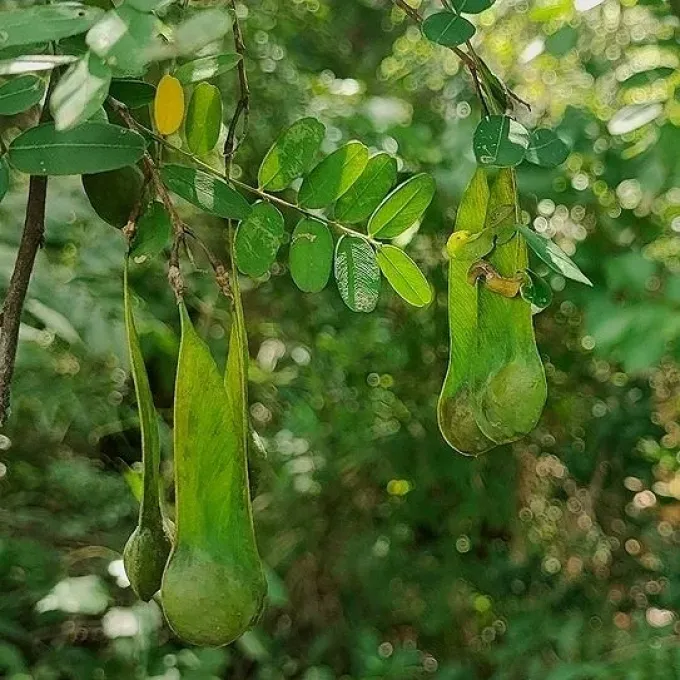
Description
Growing requirements
Platypodium elegans is a prominent tropical tree species belonging to the Fabaceae family. Native to the tropical forests of Central and South America, it stands out for its structural beauty and ecological significance in its natural habitat.
The tree thrives in tropical climates characterized by distinct rainy seasons and warm temperatures. It requires well-drained, nutrient-rich soil to support its robust growth cycle and to ensure the proper development of its trunk.
Botanically, this species is defined by its pinnate leaves and its ability to act as a significant timber resource. Its growth habit is characterized by a straight, strong stem that is highly valued in the commercial lumber industry.
High light intensity is essential for the optimal growth of Platypodium elegans. As a light-demanding species, it needs wide spacing in plantation settings to ensure that its crown receives adequate sunlight for photosynthesis.
The economic value of this tree is largely derived from its high-quality, dense timber. It is widely used in premium woodworking, cabinet making, and various architectural applications where durability and beauty are required.
Main diseases and pests
The primary threats to Platypodium elegans populations include wood-boring insects, which can severely impact the quality of the timber. These pests often target weakened trees, necessitating proactive management.
Fungal infections in root systems present a significant challenge, especially in regions with poor drainage or excessive soil moisture. Such conditions can lead to root rot and long-term tree decline.
Deforestation and habitat loss due to land conversion pose major risks to the natural survival of the species. Sustainable forestry practices are vital to prevent the loss of this valuable biological resource.
Climate instability, particularly shifting rainfall patterns, can stress mature trees and hinder the growth of younger specimens. Long-term drought periods represent a growing concern for forestry managers.
Effective management plans should include regular health assessments and the application of integrated pest management strategies to protect the health of commercial tree stands.