
Podocytisus caramanicus
Podocytisus caramanicus
Description
Growing requirements
Podocytisus caramanicus is a deciduous shrub species belonging to the Fabaceae (Leguminosae) family. Native to the eastern Mediterranean, particularly Greece and Turkey, it is adapted to thrive in harsh, rocky, and semi-arid environmental conditions.
This shrub is highly valued for its drought tolerance and preference for full sun exposure. It is a slow-growing plant that excels in well-drained, alkaline, or neutral soils, showing high sensitivity to waterlogging, which often leads to root rot issues.
Agricultural management of this crop involves minimal fertilization, as the plant maintains a symbiotic relationship with nitrogen-fixing bacteria. Proper soil aeration and drainage are the most critical factors for long-term health and consistent annual flowering.
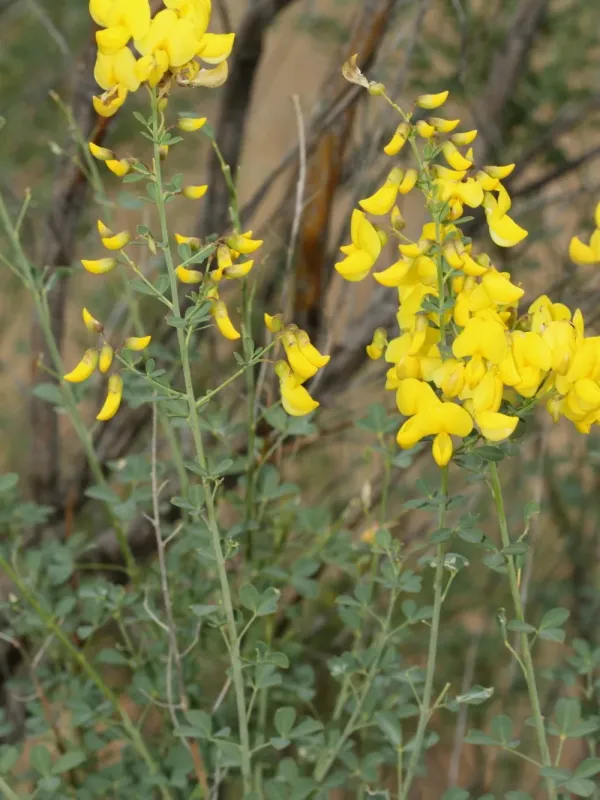
Botanically, it is characterized by its small, pinnate leaves and terminal racemes of bright yellow, pea-like flowers. It is an excellent candidate for xeriscaping, where minimal irrigation is available, and soil conditions are unsuitable for more demanding species.
In addition to ornamental use, Podocytisus caramanicus serves an ecological function by preventing soil erosion on slopes. Its hardy nature makes it a robust choice for rocky landscapes where topsoil is limited or naturally nutrient-poor.
Main diseases and pests
The plant is generally robust but can suffer from fungal pathogens like powdery mildew if placed in stagnant, humid environments without proper air movement. Strategic spacing during planting is the primary cultural control method for these diseases.
Pest issues include typical leguminous foliage feeders, such as aphids and certain species of weevils, which may attack the tender stems in early spring. Regular scouting ensures that infestations are managed before they cause significant aesthetic or physiological damage.