
Physostigma venenosum
Physostigma venenosum
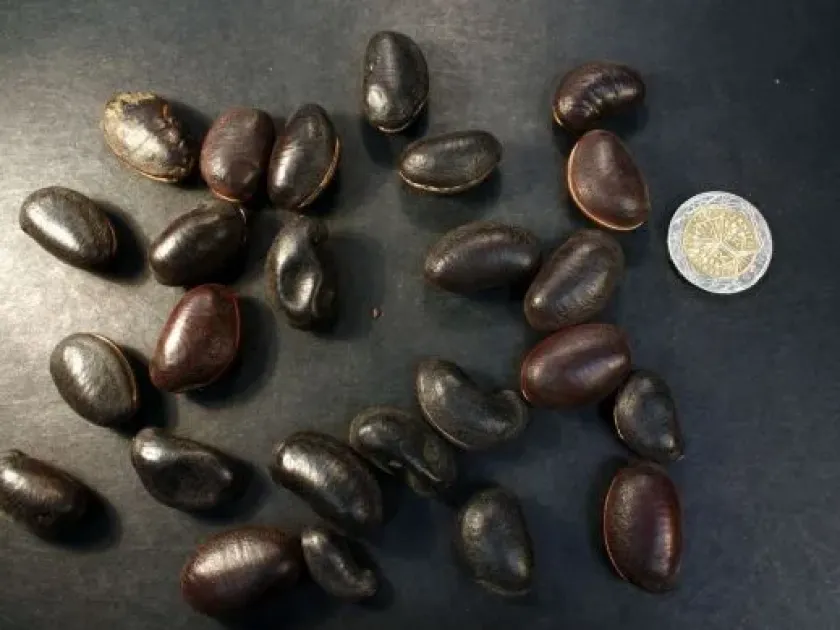
Description
Sowing dates
Physostigma venenosum, the Calabar bean, is a perennial woody climber from the Fabaceae family, native to tropical Western Africa.
Cultivating this plant requires specific conditions, as it is strictly adapted to a tropical environment and requires significant heat to germinate.
Seeds must be sown in a well-draining, nutrient-rich soil mixture that simulates the forest floor of the tropical rainforest regions where it naturally thrives.
During the germination phase, constant soil moisture and ambient temperatures ranging from 25°C to 30°C are crucial for the development of the root system.
Because the seeds contain potent toxins, all sowing procedures must be strictly handled by trained professionals using specialized safety gear.
Growing requirements
The plant demands a climate with high humidity and stable temperatures throughout the year, making it unsuitable for open-field cultivation in temperate zones.
Soil requirements include high organic content, good aeration, and a pH balance that prevents the leaching of essential soil minerals required for vine growth.
As a climbing vine, Physostigma venenosum requires sturdy trellises or natural support structures to allow the foliage to receive optimal filtered sunlight.
It prefers areas with dappled shade rather than direct, intense sunlight, which could cause leaf scorch and dehydration of the delicate succulent stems.
Regular irrigation is necessary to maintain the soil in a moist state, yet it must be balanced to prevent waterlogging, which often leads to root fungal issues.
Main diseases and pests
The main threats to the health of this crop are moisture-related diseases, such as fungal root rot, which are prevalent in stagnant humid conditions.
While the plant produces physostigmine, a powerful alkaloid that acts as a natural deterrent, some specialized mites can still infest the younger, softer leaves.
Bacterial blight can occur if there is insufficient air circulation, necessitating the thinning of foliage to ensure proper ventilation around the vine stems.
Managing these threats requires an integrated approach that focuses primarily on environmental control rather than chemical interventions which might affect the plant's chemistry.
- Ensure spacing between plants for airflow.
- Monitor soil drainage periodically.
- Remove any necrotic tissue immediately.
Harvesting
Harvesting involves collecting the mature, dried pods once they turn a characteristic brown color, indicating that the seeds are ready for processing.
Extreme caution is exercised during the harvest to ensure the seeds are not cracked or damaged, as this releases potentially harmful dust particles.
The seeds are then cleaned, sorted, and dried in a controlled environment to preserve the chemical integrity of the active alkaloids found within the bean.
Proper record-keeping is vital, as the Calabar bean is subject to strict regulations due to its high toxicity and historical use in pharmacology.
Finished raw material is stored in airtight, labeled containers to protect it from humidity, heat, and accidental human or animal exposure.