
Jicama
Pachyrhizus erosus
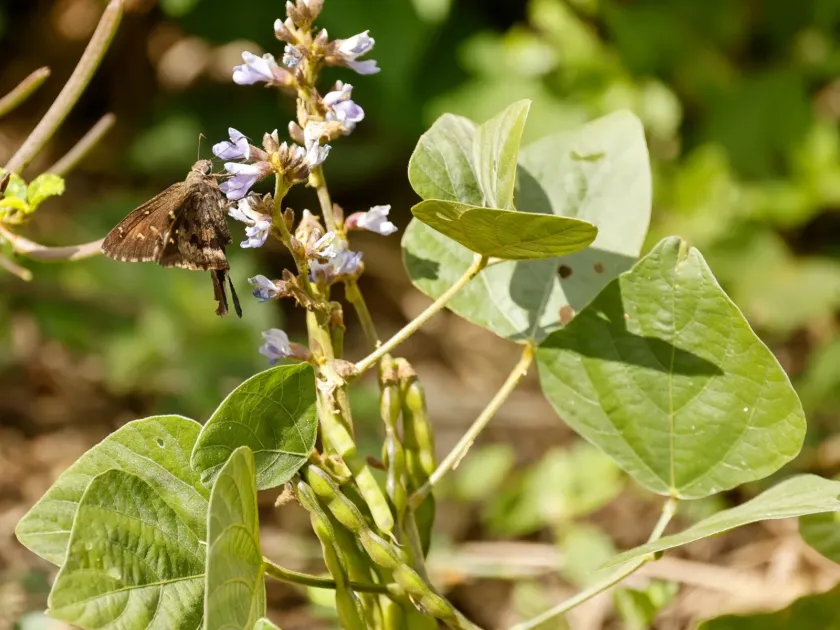
Description
Sowing dates
Jicama is a tropical crop that requires a long growing season of 150 to 180 frost-free days to mature. In temperate regions, it is essential to start seeds indoors about two months before the last frost date to ensure a successful harvest.
In tropical climates, seeds can be sown directly into the soil once it has warmed significantly. Optimal germination occurs at soil temperatures between 25 and 30 degrees Celsius, which encourages rapid seedling development.
The planting depth should be approximately 2–3 centimeters. Spacing is crucial for high yields; plants should be spaced 30 centimeters apart within rows, with rows kept about 60–90 centimeters apart to allow for vigorous vine growth.
Jicama is highly sensitive to photoperiod. In areas with shorter growing seasons, growers must select early-maturing cultivars to ensure that the tubers form before the days become too short or the weather turns cold.
Soaking seeds in warm water for 24 hours prior to planting is a highly recommended practice to soften the seed coat, significantly improving the germination rate and uniformity of the crop.
Growing requirements
This crop thrives in loose, well-draining, sandy loam soils with a slightly acidic to neutral pH. Compact or clay-heavy soils should be avoided as they impede tuber development and may cause the roots to become malformed or rot.
Jicama requires full sun exposure throughout the day. It is a heliophilic plant, and any degree of shading will drastically reduce the plant's ability to photosynthesize, resulting in smaller, less succulent tubers.
Consistent soil moisture is vital during the root-bulking phase. While the plants are somewhat drought-tolerant once established, irregular watering can cause the tuberous roots to develop woody fibers or crack, significantly reducing their quality.
High temperatures are essential for optimal growth. The plant stalls if temperatures drop below 15 degrees Celsius. It performs best in conditions where the air temperature consistently ranges from 25 to 30 degrees Celsius.
A key agronomic practice for Jicama is the systematic removal of flower buds. By diverting the plant’s energy away from reproduction and seed production, more resources are channeled into the development of the primary tuber.
Yield
Under ideal growing conditions, Jicama can produce yields ranging from 20 to 50 metric tons per hectare. The market quality is determined by the size and smooth texture of the roots, which can weigh up to 2 kilograms each.
Maximizing yield involves balanced nutrient management, particularly phosphorus and potassium, which are critical for root expansion. Nitrogen should be applied sparingly to avoid excessive leafy growth at the expense of tuber size.
Jicama has significant potential in modern sustainable agriculture due to its high demand as a healthy, crisp, and low-calorie food option. Its ability to store well makes it a valuable commercial crop for long-distance transport.
Proper weed control is essential for ensuring that the plants have no competition for nutrients and water. Regular cultivation between rows is recommended until the vines fully cover the ground.
The total yield is also influenced by the health of the foliage; robust vines are necessary to support the energy requirements of the underground tubers throughout the growing season.
Main diseases and pests
Fungal diseases, such as leaf spot and various root rots, are the most common threats to Jicama, particularly in high-humidity climates. Maintaining good air circulation and soil drainage is the best defense against these pathogens.
Pests including aphids, spider mites, and whiteflies can infest the foliage, weakening the plant. Integrated pest management (IPM) strategies, including the use of neem oil or biological controls, are effective for maintaining plant health.
Nematodes pose a serious risk to root crops, potentially causing stunted growth and galling on the tubers. Crop rotation with non-host plants is a critical preventive measure that every grower should practice.
In some regions, foliage-eating beetles can cause significant damage to the vines. Regular scouting and early intervention are necessary to prevent these insects from reaching threshold levels that could impact total yield.
Always source high-quality, certified disease-free seeds to prevent the introduction of soil-borne pathogens into your production area, as these are often impossible to eradicate once established.
Harvesting
Harvesting should occur once the foliage turns yellow and begins to wither, indicating that the plant has ceased active growth and the tubers have reached their full development.
When harvesting, great care should be taken to avoid nicking or bruising the skin of the Jicama. Damaged roots are highly susceptible to decay, which can spread quickly when the tubers are placed into storage.
After excavation, the roots should be cleaned and cured in a shaded, well-ventilated area for several days. This process helps the skin to harden, which protects the tuber and extends its shelf life.
Jicama should be stored at cool, stable temperatures around 10 to 12 degrees Celsius. Refrigeration below this range can cause chilling injury, leading to tissue breakdown and an off-flavor.
It is critical for farm safety to ensure that only the tubers are sold for consumption. The vines, leaves, and seeds of the plant contain rotenone, a natural insecticide, which makes them toxic and unsuitable for feed.