
Jicama
Pachyrhizus tuberosus
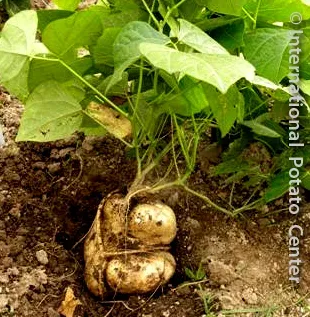
Description
Sowing dates
Jicama is a tropical legume primarily grown for its edible tuberous roots. Since it is a frost-sensitive plant, sowing should only take place when the soil temperature consistently stays above 20 degrees Celsius.
For optimal germination, seeds should be sown about 3 to 5 centimeters deep in well-prepared, loose soil. In regions with long growing seasons, direct sowing is preferred to avoid root disturbance.
If starting from transplants, it is crucial to handle the seedlings with extreme care. Jicama does not respond well to root damage, so using biodegradable pots for seed starting is highly recommended.
Spacing is a vital factor in planting. Giving each plant at least 30 to 50 centimeters of space ensures that the vines receive enough airflow and sunlight, which is necessary for vigorous growth.
Soaking the seeds in lukewarm water for 12 to 24 hours prior to planting can significantly improve the germination rate and ensure more uniform emergence of seedlings across the field.
Growing requirements
Jicama thrives in warm climates with plenty of direct sunlight. The plant requires at least 8 to 10 hours of sunshine per day to fuel the complex process of tuber formation and energy storage.
The ideal soil for Jicama is sandy loam with excellent drainage. Poor drainage can quickly lead to tuber decay, so raised beds are often used in areas with heavy or clay-based soils to improve aeration.
The plant is relatively drought-tolerant once established, but regular irrigation is necessary during the early stages of development. Consistent moisture helps ensure the tubers grow to a marketable size.
Soil pH should ideally be in the neutral range. If the soil is too acidic, liming may be necessary before planting. Proper soil preparation must include deep tilling to allow the taproot to expand downward without restriction.
Nutrient management focuses on moderate nitrogen levels. Excessive nitrogen will cause the plant to produce lush foliage while significantly reducing the size and quality of the tuberous roots.
Yield
Yield potential depends heavily on the length of the growing season. In tropical environments, Jicama can be left in the ground for several months, resulting in larger, more substantial tubers.
To maximize yields, it is standard practice to prune the flower buds as they appear. By preventing the plant from setting seed, energy is redirected from reproductive growth into the expansion of the root system.
Average tuber size ranges significantly based on variety and care. Under optimal conditions, a single Jicama tuber can reach over 2 kilograms, although smaller, more uniform roots are often preferred for market sale.
Proper weed control is essential for yield stability. Jicama does not compete well with vigorous weeds in the early stages, so mulching or manual weeding is necessary to protect the young plants.
Timely harvesting based on the crop's physiological maturity ensures the best balance between root size and starch content, providing the highest quality product for the consumer.
Main diseases and pests
Pests such as aphids, spider mites, and leaf-eating beetles are the primary concerns for Jicama crops. These pests can rapidly defoliate the plant, severely limiting the energy available for root development.
Fungal pathogens, particularly those causing root rots, represent the most significant threat to the crop. These are most common in waterlogged soils where the tubers sit in stagnant moisture.
Integrated pest management strategies should include crop rotation. Avoid planting Jicama in fields where other legumes were grown within the last three years to prevent the buildup of soil-borne diseases.
Monitoring the undersides of leaves for early signs of infestation is critical. Swift action with biological controls or targeted sprays can prevent the need for more intensive chemical interventions later.
Preventative measures, such as maintaining proper spacing to ensure adequate airflow, are the most effective ways to manage the risk of fungal infections throughout the growing cycle.
Harvesting
Harvesting Jicama is a delicate process that should be conducted in dry weather. Using a garden fork to gently lift the tubers from the ground minimizes the risk of physical damage to the skin.
After removal from the soil, the tubers must be cleaned and left to cure in a dry, shaded area for a few days. Curing helps to harden the skin, which significantly improves shelf life during storage.
Once cured, Jicama should be stored in a cool, well-ventilated environment. It is crucial to avoid temperatures below 10 degrees Celsius, as the roots are sensitive to chilling injury, which causes internal browning.
Properly stored, Jicama can last for several weeks or even months depending on the ambient conditions. Keeping them in darkness prevents greening and maintains the crisp texture of the flesh.
Users must be reminded that all parts of the plant except for the tuberous roots are toxic, as they contain rotenone, a natural insecticide. Therefore, vines, leaves, and seeds must be discarded carefully.