
Pachyrhizus vernalis
Pachyrhizus vernalis
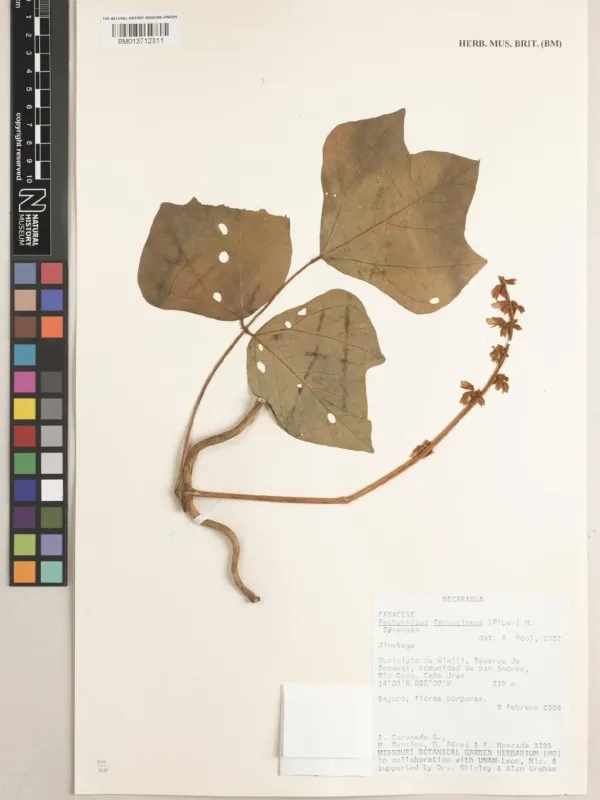
Description
Sowing dates
Pachyrhizus vernalis is a member of the Fabaceae family, recognized for its edible tuberous roots. As a tropical legume, it is primarily cultivated for its caloric content and nutritional value. The plant is characterized by vigorous vine growth and requires trellising in some farming systems to optimize yields.
Sowing should occur during the onset of the warm season, ensuring soil temperatures are consistently above 20°C. Seeds are planted in well-prepared beds at a depth of approximately 3 to 5 centimeters, maintaining sufficient spacing between plants to allow for robust root development and adequate airflow.
Growing requirements
This crop thrives in warm, humid conditions and requires significant solar exposure to facilitate photosynthesis and energy storage in the tubers. It is highly sensitive to cold, and exposure to frost will typically lead to immediate crop failure, necessitating a frost-free growth window of at least several months.
Soil requirements focus on structure and drainage; sandy or loamy soils are ideal. Because the plant produces fleshy tubers, the soil must be loose enough to prevent physical restriction, which would otherwise result in stunted or irregularly shaped roots that are difficult to harvest and market.
Main diseases and pests
Pests such as beetles and caterpillars often target the foliage during the early stages of growth, requiring integrated pest management practices to maintain canopy health. Soil-borne pathogens and root rot are the primary disease threats, which are usually mitigated by ensuring optimal irrigation and avoiding saturated soil conditions.