
Pachyrhizus ahipa
Pachyrhizus ahipa
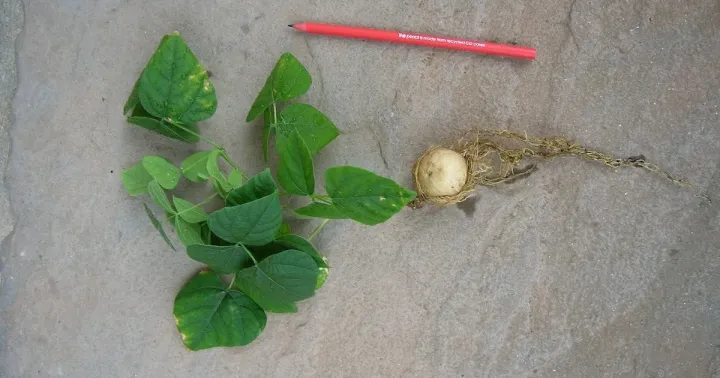
Description
Sowing dates
Pachyrhizus ahipa is a species of legume cultivated primarily for its edible tuberous roots, known for their crisp texture and mild, sweet flavor.
Sowing should be performed when the soil temperature consistently remains above 20 degrees Celsius to ensure rapid and healthy seed germination.
Seeds are typically sown at a depth of 3 to 5 centimeters, providing enough coverage to maintain moisture without hindering the sprout's emergence.
Proper plant spacing is critical, with rows spaced at least 60 centimeters apart to prevent overcrowding and ensure adequate airflow for the foliage.
In temperate zones, starting seeds in containers indoors allows the crop to maximize its growth window during the warmer months of the year.
Growing requirements
Originating from the Andean regions, this crop thrives in environments with abundant sunlight and a well-defined growing season with warm temperatures.
The plant prefers light, friable, and well-draining soil, which is essential to prevent the waterlogging that can lead to root rot or pathogen growth.
Although it is relatively drought-tolerant once established, supplemental irrigation during dry spells is recommended to maximize tuber size.
Soil pH levels ranging from 6.0 to 7.0 are optimal for this plant, facilitating the uptake of nutrients necessary for robust development.
The plant is a leguminous species, which gives it the unique advantage of nitrogen fixation, potentially improving soil health for subsequent plantings.
Yield
The yield of Pachyrhizus ahipa varies based on the length of the growing season and the overall management practices implemented by the grower.
Under favorable conditions, each plant can produce several substantial roots, which are collectively harvested once the plant matures.
Farmers focus on pruning the flowering shoots to concentrate the plant's energy on root expansion rather than seed production, enhancing total yield.
Proper nutrient management, specifically applying balanced fertilizers, ensures the roots develop to their full potential during the peak growth phase.
With consistent care, the crop can be quite productive, providing a reliable source of carbohydrate-rich food for regional agricultural systems.
Main diseases and pests
Common agricultural pests such as aphids and spider mites can infest the foliage, requiring vigilant monitoring and integrated pest control strategies.
Root-knot nematodes remain a significant threat in certain soil types, as they can deform the tubers and reduce the overall marketability of the crop.
Fungal diseases like powdery mildew and root rot are prevalent in areas with poor drainage or stagnant humidity levels during the peak growing period.
Good cultural practices, including crop rotation and the removal of plant debris, are fundamental in preventing the build-up of soil-borne pathogens.
Maintaining a balanced ecosystem around the plot can help promote natural predators of insects, reducing the need for chemical interventions.
Harvesting
Harvesting usually takes place 5 to 7 months after planting, timed when the above-ground biomass begins to dry out and die back naturally.
Tubers are carefully lifted from the ground using garden forks, ensuring that the skin remains intact to avoid rapid moisture loss after extraction.
Post-harvest handling involves drying the tubers in a shaded, well-ventilated area to cure them slightly, which improves their shelf life in storage.
The culinary applications for these roots are extensive, ranging from fresh salads and stir-fries to being used as a source of high-quality starch.
Properly cured roots can be stored in cool, dark environments for several months, making them a durable and valuable crop for agricultural storage.