
Medicago turbinata
Medicago turbinata
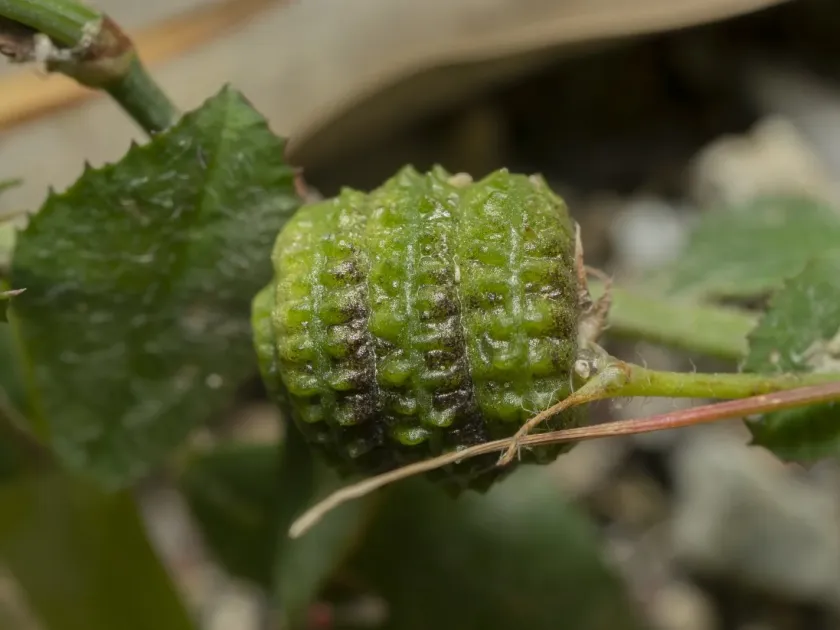
Description
Sowing dates
Medicago turbinata is a versatile annual legume species that requires precise timing for successful establishment. Planting should occur in early spring once soil temperatures reach 8 to 10 degrees Celsius, ensuring favorable conditions for germination.
Seeding is typically done using mechanical seed drills at a depth of 1.5 to 2 centimeters. Proper seed placement is essential for this species to ensure a uniform emergence and to minimize competition between individual seedlings.
In regions with mild winters, autumn sowing can be performed to take advantage of dormant-season moisture, provided the risk of severe frost damage remains low during the early developmental phases.
Seedbed preparation should involve deep tillage followed by light harrowing to create a fine, firm texture. Rolling the soil after sowing improves moisture retention and guarantees a better seed-to-soil contact, which is vital for quick growth.
Inoculation with specific rhizobium strains prior to sowing is a mandatory practice for Medicago turbinata. This ensures the crop can successfully fix nitrogen, reducing the need for synthetic nitrogen fertilizers later in the season.
Growing requirements
As a member of the Fabaceae family, Medicago turbinata thrives in Mediterranean-type climates. It is characterized by high adaptability to well-drained, light-textured soils including sandy loams and neutral to alkaline substrates.
The plant demonstrates significant drought tolerance, making it an excellent candidate for regions with limited rainfall. Its growth cycle is optimized to capitalize on seasonal moisture before the arrival of intense summer heat.
Full sun exposure is critical for this species. Even partial shade can lead to stunted growth and reduced vegetative biomass, which directly correlates to lower forage yield in field settings.
Although it handles various soil types well, it is highly sensitive to waterlogging. Good soil drainage is a prerequisite; excessive moisture in the root zone can cause decay and increase susceptibility to soil-borne pathogens.
This species is also known to possess some level of salt tolerance, allowing it to perform better than other traditional forage crops in degraded or slightly saline soils, contributing to the reclamation of such areas.
Yield
Medicago turbinata is primarily utilized for forage production. Its biomass is highly nutritious, offering a substantial amount of crude protein and digestible fiber, which are essential for livestock health and productivity.
Forage yield is significantly boosted by optimal nutrient management, specifically the availability of phosphorus and potassium. These elements are key to building the plant's structural strength and improving its overall regrowth capacity.
The plant fits well into short-term crop rotations. By leaving behind fixed nitrogen in the root zone, it provides a natural fertilization benefit to subsequent cereal crops, improving overall field productivity.
Under managed grazing or multi-cut harvest systems, Medicago turbinata can provide several harvests per season. Rapid regrowth after cutting makes it a valuable asset for maintaining a steady supply of green fodder.
Overall biomass yield is subject to environmental variables; however, with correct agronomic practices and timely harvesting, this crop can significantly contribute to the sustainability of mixed livestock and arable farming operations.
Main diseases and pests
Like other legumes in the genus Medicago, this species is susceptible to various pests and diseases. Common threats include aphids and leaf-eating beetles, which can cause significant damage to foliage and reduce photosynthetic efficiency.
Fungal diseases such as powdery mildew or leaf spots are common in high-humidity seasons. These infections can be mitigated by ensuring proper planting density to allow for air circulation and by using resistant varieties where available.
Integrated Pest Management (IPM) strategies are recommended, including the use of trap crops and regular field scouting to identify infestation levels before they reach the economic damage threshold.
Weed management during the initial growth stages is critical. Because it starts slowly, the crop can be outcompeted by aggressive weeds, necessitating early mechanical or chemical intervention to ensure successful establishment.
- Regular inspection of crops for early signs of disease.
- Use of certified, disease-free seed stock.
- Spatial isolation from older established legume fields to prevent pathogen spread.
Harvesting
The harvesting of Medicago turbinata for hay or green manure should be timed to coincide with the early flowering stage. This phase provides the best balance between biomass quantity and nutritional density.
When producing hay, it is essential to minimize the time the crop spends in the field after cutting. Fast wilting and proper raking techniques are crucial to preventing the loss of delicate leaves, which hold the highest nutrient concentrations.
For modern agricultural operations, the use of mower-conditioners is highly recommended as it crushes the stems, facilitating faster moisture evaporation and shortening the drying cycle to preserve feed quality.
When harvesting for seed, the timing must be managed so that the turban-shaped pods are mature but not over-dried, as the pods can shatter, leading to significant yield losses during the mechanical harvesting process.
Post-harvest conditioning, including cleaning and drying seeds to a stable moisture content, is necessary to prevent spoilage and maintain high viability for the next planting season.