
Melolobium humile
Melolobium humile
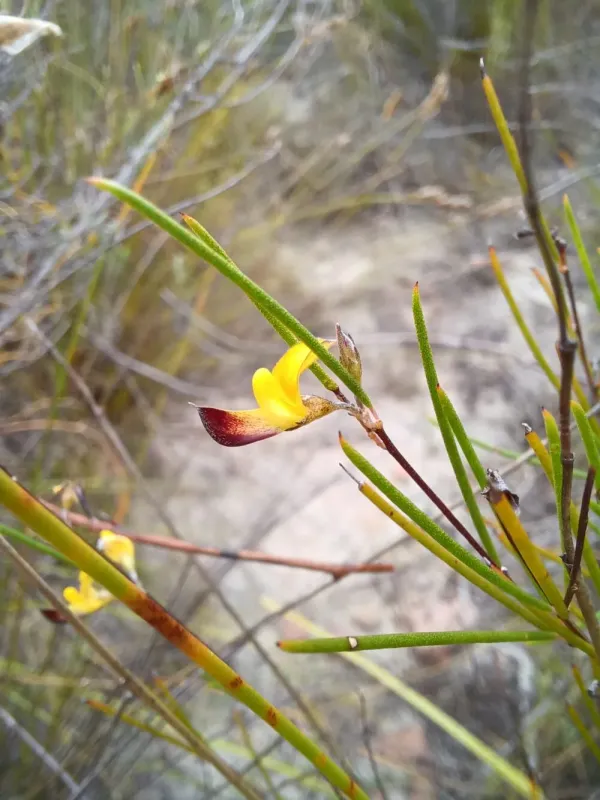
Description
Growing requirements
Melolobium humile is a perennial leguminous shrub native to the arid and semi-arid regions of Southern Africa. It belongs to the Fabaceae family and is well-adapted to environments characterized by low annual precipitation and high thermal variation.
Botanically, this species is defined by its low-growing habit and specialized foliage designed to withstand intense solar radiation. It exhibits a deep root system that allows it to access moisture from the subsoil even during severe drought events.
Regarding soil requirements, the plant prefers well-drained, sandy, or rocky terrains. It thrives in nutrient-poor conditions, relying on its symbiotic relationship with nitrogen-fixing bacteria to maintain its metabolic functions and growth cycles.
Agricultural management should prioritize the preservation of native soil structure. The plant does not require high levels of synthetic fertilization, as excessive nutrient input can disrupt the natural balance between the legume and its microbial partners.
Its primary use in agriculture is as a grazing fodder for small livestock. The forage value of Melolobium humile remains stable throughout the dry season, providing essential proteins to animals when other vegetation is scarce.
Main diseases and pests
Major threats include root pathogens triggered by episodic flooding. Excess soil moisture limits gas exchange, which can quickly lead to the decline of the plant stand if drainage is poor.
Common pests include legume-specific coleoptera and lepidopteran larvae. These organisms feed on buds and seeds, potentially impacting the natural regeneration of the population and biomass production.
Overgrazing represents a critical risk. If the plant biomass is consistently consumed below the threshold required for recovery, the root system weakens, leading to eventual death of the individual plants.
Invasive weed encroachment poses a significant challenge during wetter years. Fast-growing grasses can outcompete Melolobium humile for sunlight and nutrients if management interventions are not timely.
Climate change effects, specifically shifting precipitation patterns, may alter the survival rate of seedlings. Robust agricultural strategies must focus on enhancing soil moisture retention to support the initial growth phases.