
Mexican lupin
Lupinus mexicanus
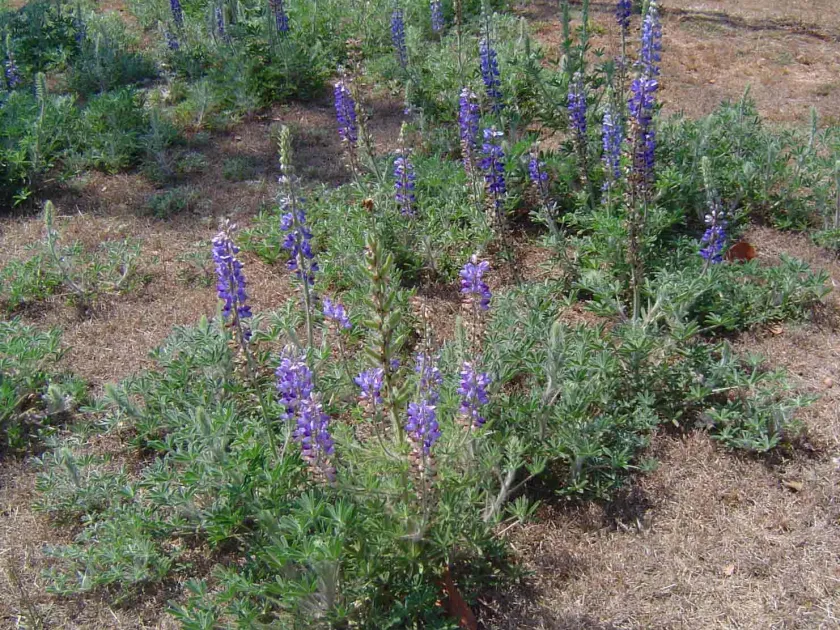
Description
Sowing dates
Seeds of Lupinus mexicanus are typically sown in early spring, once the soil temperature consistently reaches 5-8 degrees Celsius. Proper timing is essential to capitalize on early season soil moisture.
The seeding rate ranges from 100 to 150 kg per hectare, depending on whether the crop is intended for green manure or grain production. Row spacing is generally maintained at 15-30 cm.
Optimal planting depth is between 3 and 5 cm. In lighter soils, slightly deeper planting is preferred to ensure the seeds access sufficient moisture for germination.
Using a standard grain drill is the most common method for establishing the crop. Ensuring a uniform seed distribution prevents competition between plants and allows for optimal light interception.
Post-sowing rolling is a recommended practice to improve soil-to-seed contact, particularly in dry conditions. This ensures uniform emergence across the field, which is critical for consistent yield.
Growing requirements
As a member of the Fabaceae family, the Mexican lupin is an exceptional nitrogen-fixing crop that thrives in well-drained, sandy or light loamy soils. It prefers neutral to slightly acidic pH levels for optimal development.
The crop requires full sun exposure and is highly sensitive to shading. It thrives in temperate environments where rainfall is abundant during the initial growth stages of the season.
The plant features a profound taproot system, which helps in soil aeration and accessing deep mineral reserves. This physical characteristic also makes it highly resistant to drought once established.
Active growth typically occurs at temperatures ranging between 18 and 22 degrees Celsius. Extreme heat or waterlogging should be avoided as they inhibit nodule formation and plant vigor.
Soil fertility management should focus on phosphorus and potassium levels, as nitrogen is largely supplied by the symbiotic rhizobia bacteria inhabiting the plant's roots.
Main diseases and pests
Fungal pathogens such as anthracnose and fusarium wilt represent the primary biological threats to Mexican lupin. These diseases are particularly destructive during prolonged periods of high humidity.
Insect pests, including aphids and various curculionids, can damage foliage and reproductive structures, potentially leading to significant reductions in seed production and biomass.
Disease management relies heavily on crop rotation, with a recommended break of at least 4-5 years between legume crops. Selecting disease-resistant cultivars is the most effective preventative measure.
Regular field scouting is essential during the vegetative and flowering stages. Prompt identification of pest outbreaks allows for the targeted application of insecticides to prevent economic damage.
Weed management during the early growth stages is vital because the lupin establishes its canopy slowly. Mechanical weeding or selective herbicides are used to prevent competition for essential resources.