
Lysiphyllum strychnifolium
Lysiphyllum strychnifolium
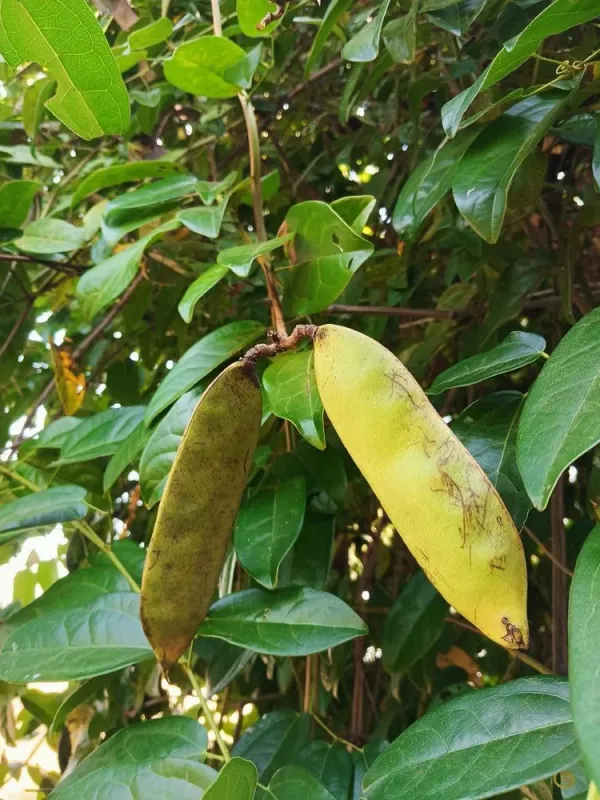
Description
Growing requirements
Lysiphyllum strychnifolium is a significant tropical woody climber belonging to the legume family (Fabaceae). Native to the forests of Southeast Asia, specifically Thailand, it has gained recognition for its unique pharmacological properties.
The plant thrives in tropical climates characterized by high humidity and consistent temperatures throughout the year. It prefers nutrient-rich, well-draining soils found in subtropical forest environments, which provide the necessary foundation for its extensive root system.
Botanically, it is classified as a vine, exhibiting a strong stem capable of reaching great lengths. Its leaves are distinctive, providing a resemblance to the Strychnos genus, which serves as a key identifying characteristic for field botanists and farmers.
In a controlled cultivation setting, the species requires reliable support structures, such as trellises, to facilitate vertical growth and optimal leaf development. Maintaining a microclimate with high ambient humidity levels is essential for keeping the plant vigorous.
Agricultural management should focus on consistent soil moisture and periodic organic supplementation. Given its tropical nature, it requires protection from extreme dry spells and exposure to direct, harsh sunlight during the early stages of establishment.
Harvesting
The economic value of this crop is primarily rooted in its pharmaceutical use. It is widely regarded in traditional systems for its anti-toxic and anti-inflammatory attributes, with the roots being the most highly prized part of the plant.
Harvesting is typically conducted when the plant reaches maturity to ensure the chemical profile of the active ingredients is at its peak. Sustainable harvesting practices are emphasized to ensure the long-term viability of the production sites.
Post-harvest processing involves careful cleaning and methodical drying. Using controlled, low-heat drying methods ensures that the plant's delicate bioactive compounds are preserved, which is crucial for meeting international quality standards for herbal medicine.
The product is predominantly processed into powders, tinctures, or standardized extracts. These are integrated into therapeutic products intended for detoxification and metabolic support, reflecting the plant's historical significance in Asian medicine.
Future agricultural developments aim to optimize production through better propagation techniques. Researchers are investigating how soil nutrient composition directly influences the efficacy of the chemical compounds synthesized by this plant.