
Lydia broom
Genista lydia
Description
Sowing dates
Propagation of Lydia broom is typically achieved through seeds sown in early spring or by semi-hardwood cuttings taken during the summer months.
Seeds require a period of cold stratification before sowing to break dormancy and ensure uniform germination in nursery conditions.
Cuttings should be treated with a rooting hormone and placed in a well-draining, sandy medium to promote successful root development before transplanting.
Young plants should be hardened off before moving them to their permanent location in the landscape, ideally during the spring season.
Proper spacing is essential, allowing the shrub to develop its characteristic arching habit without excessive competition for sunlight or nutrients.
Growing requirements
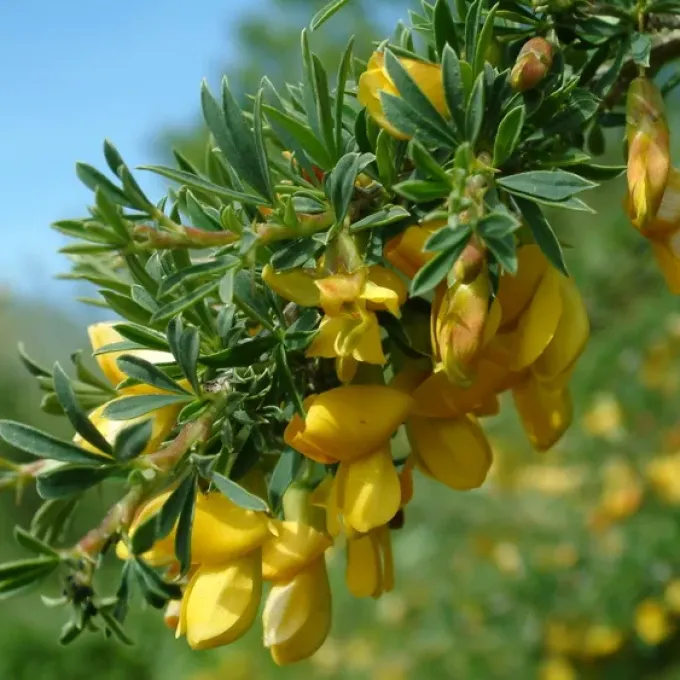
Genista lydia, a member of the Fabaceae family, is a small, low-growing deciduous shrub native to the rocky landscapes of the Balkans and Asia Minor.
This species thrives in full sun, which is critical for maintaining its compact structure and producing the signature yellow flowers in abundance.
The plant is highly adaptable to poor, rocky, and sandy soils, provided that the growing site offers excellent drainage to prevent root moisture accumulation.
It is remarkably drought-tolerant once established, requiring supplemental water only during prolonged periods of extreme heat or dry spells.
Maintenance is minimal, consisting of occasional light pruning after flowering to encourage dense growth and prevent the shrub from becoming woody or leggy.
Main diseases and pests
While generally robust, Lydia broom can be susceptible to root rot if grown in heavy, waterlogged soils that lack adequate aeration.
Aphids represent the most common insect pest, often clustering on new growth and reducing the overall vigor of the plant during the early season.
Powdery mildew may occur in stagnant, humid environments, presenting as a white dusting on foliage that can hinder photosynthesis.
Chemical control with systemic insecticides is recommended for severe aphid infestations, while cultural practices remain the best defense against fungal issues.
Maintaining a clean cultivation area and ensuring proper spacing between individual plants significantly reduces the risk of pest and disease outbreaks.