
Lysiphyllum hookeri
Lysiphyllum hookeri
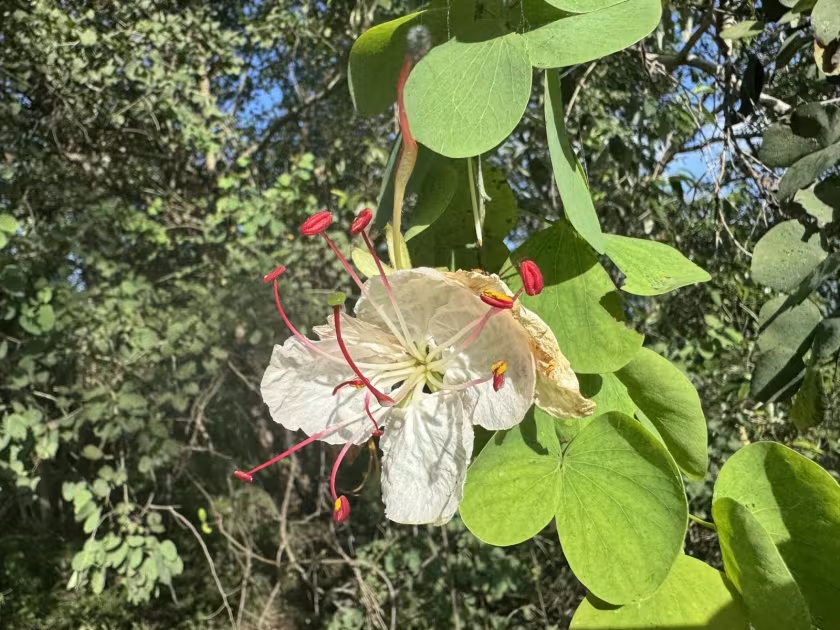
Description
Growing requirements
Lysiphyllum hookeri, often referred to as the Mountain Bauhinia, belongs to the Fabaceae family and is native to the northern and eastern parts of Australia. It is a hardy woody plant highly regarded for its distinctive beauty.
The plant thrives in well-drained, sandy to loamy soils. It has a high tolerance for heat and requires a full-sun position to produce its signature vibrant flowers effectively throughout the growing season.
Regarding climate, it is best suited for tropical and subtropical environments. While it is drought-tolerant once established, young plants require consistent watering to develop a strong root system during their first year.
The botanical structure is defined by its bifoliate leaves, which resemble a butterfly's wings, and striking inflorescences. The flowers consist of a cluster of long, bright red or pink stamens, making it a focal point in landscapes.
Its primary agricultural and horticultural use is as an ornamental specimen. It is widely planted in botanic gardens and urban landscapes where the climate allows, serving as an excellent source of nectar for local bird and insect populations.
Main diseases and pests
The most common issues for Lysiphyllum hookeri are related to fungal pathogens, particularly root rot, which occurs in waterlogged soils. Ensuring excellent drainage is the primary defense strategy against these threats.
Insect pests, including aphids and scales, may infest the tender new growth during spring. These pests can be managed through regular monitoring and manual removal or the application of horticultural oils.
Fungal leaf spots can occur in humid climates. To mitigate this, it is essential to provide adequate spacing between plants to ensure good airflow and reduce leaf wetness duration.
Environmental stress, such as extreme cold, can weaken the plant, making it more susceptible to opportunistic secondary infections. Providing protection during unusual cold spells is crucial for young specimens.
Sanitation practices, such as removing fallen leaves and pruning dead branches, are vital for reducing the reservoir of pests and diseases that may inhabit the canopy throughout the year.