
Lysiphyllum carronii
Lysiphyllum carronii
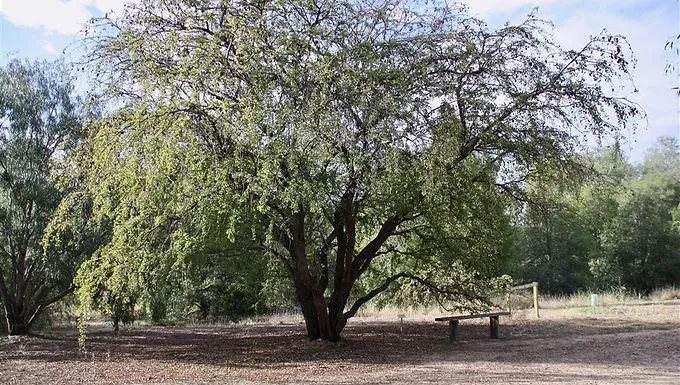
Description
Sowing dates
Lysiphyllum carronii, belonging to the Fabaceae family, is a notable species native to the tropical and subtropical regions of Australia. Propagation is typically achieved through seeds, which possess a hard coat typical of many leguminous plants.
To ensure successful germination, seeds require scarification before planting. This process involves nicking or lightly sanding the seed coat to allow water uptake, which is necessary for the embryo to swell and trigger biological activation.
The planting medium should be a well-draining, nutrient-rich substrate with a neutral to slightly acidic pH. Avoiding compacted soils is vital, as the root system requires efficient aeration for healthy development during the establishment phase.
Consistent temperatures ranging between 22 and 25 degrees Celsius are ideal for sowing. It is recommended to perform this during the onset of the warm season, ensuring that the seedlings do not face cold shocks that could stunt their growth.
After emergence, seedlings require careful moisture management. While they need regular watering to remain vigorous, the soil should be allowed to dry slightly between waterings to prevent the development of damping-off diseases.
Growing requirements
This species thrives in areas with full sun exposure, which is critical for maintaining robust vegetative growth and stimulating the production of flowers. Reduced light conditions typically lead to weak, elongated stems and poor overall health.
The ideal soil profile for Lysiphyllum carronii is light, sandy loam with excellent drainage characteristics. Waterlogged conditions must be avoided at all costs, as the roots are highly susceptible to rot when deprived of oxygen.
Regarding water management, the plant displays a degree of drought tolerance once established. However, during active growth stages, supplemental irrigation should be provided to support the high metabolic rate of the plant.
The climate requirements include protection from frost and severe winds. In regions prone to cold winters, the plant should be grown in containers or protected environments to ensure survival during the dormant period.
Fertilization should be handled with care, particularly regarding phosphorus levels, as many Australian natives exhibit sensitivity to high concentrations. Balanced, low-phosphorus fertilizers applied during the spring are usually sufficient.
Main diseases and pests
Common pests include spider mites and mealybugs, which are particularly problematic in dry and warm environments. Regular scouting and immediate intervention with appropriate soaps or insecticides can prevent major infestations.
Root rot, often caused by the fungus Phytophthora, is the most significant disease threat to this species. It is primarily managed by ensuring proper soil drainage and strictly following controlled irrigation practices to prevent stagnant water.
Chlorosis, manifesting as yellowing leaves, may occur if the soil pH is too high or if essential nutrients like iron are unavailable. Soil amendments and the use of chelated iron can resolve this physiological disorder effectively.
Mechanical damage to the bark or branches can allow entry for opportunistic pathogens. It is essential to use sterilized pruning tools and to avoid unnecessary wounding of the plant tissue during regular maintenance tasks.
Monitoring for signs of stress is crucial, as unhealthy plants are more attractive to pests and more susceptible to disease. Maintaining plant vigor through optimal nutrition and correct placement remains the best defense strategy.