
Black coral pea
Kennedia nigricans
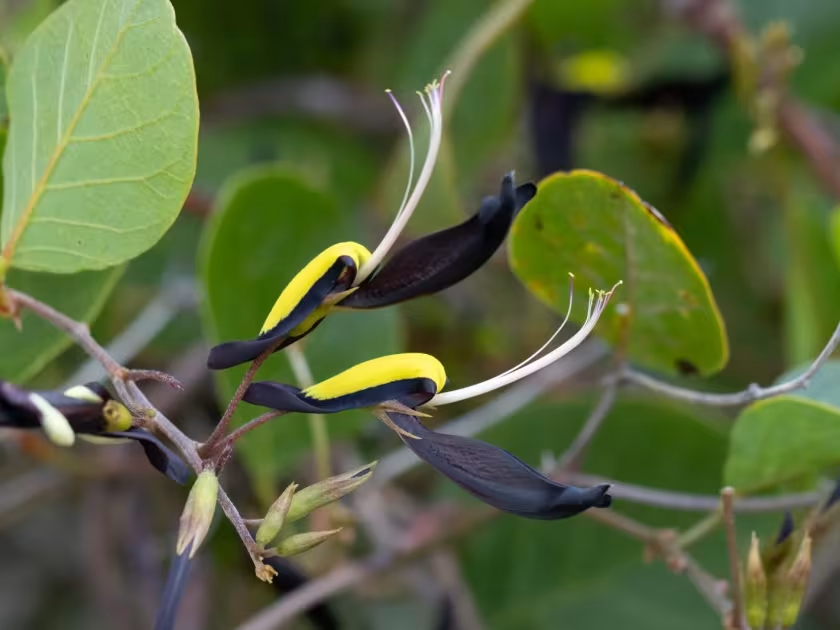
Description
Sowing dates
Sowing seeds of Kennedia nigricans should be performed in the spring when temperatures are consistently warm. The seeds possess a very hard seed coat, making scarification essential to facilitate water absorption and ensure uniform germination.
It is recommended to use a lightweight, well-draining seed-starting mix. The seeds should be planted at a depth of approximately 1 centimeter, and the container should be kept in a warm, bright environment to stimulate initial development.
Once seedlings have developed their first true leaves, they can be transplanted into individual pots or directly to their permanent location in frost-free regions. Providing initial support is crucial, as the plant exhibits vigorous climbing behavior early on.
Spacing is a vital consideration during planting, as this species can rapidly cover large surface areas. Maintaining a distance of at least 2 meters between plants ensures adequate airflow and prevents competition for soil nutrients.
As a member of the Fabaceae family, the plant benefits significantly from the presence of native soil bacteria. If the soil is sterile, inoculating it with suitable nitrogen-fixing bacteria can enhance overall vigor and growth rates.
Growing requirements
Kennedia nigricans thrives in full sun, which is necessary to trigger its distinctive dark, nectar-rich flowers. While it can tolerate partial shade, a reduction in light intensity typically leads to lanky growth and decreased flowering performance.
The soil should be sandy or loamy and possess excellent drainage characteristics. The species is highly sensitive to waterlogged conditions, which often cause root decay; thus, raised beds are often preferred for cultivation in heavy clay areas.
Climate requirements for this plant include protection from harsh winter frosts. While it originates from temperate and subtropical regions of Australia, it performs best in mild climates where temperatures remain above freezing throughout the growing season.
A sturdy support structure, such as a robust trellis, fence, or pergola, is mandatory for healthy development. The plant is a twining climber that uses its flexible stems to secure itself to vertical surfaces, showcasing its foliage and blooms effectively.
Watering should be consistent throughout the summer, but the soil should be allowed to dry slightly between applications. Established plants are moderately drought-tolerant, but regular moisture during the flowering phase is beneficial.
Main diseases and pests
The primary threats to Kennedia nigricans include fungal infections induced by excessive moisture or poor site drainage. To mitigate these risks, avoid overhead watering and ensure the planting area is well-ventilated to keep foliage dry.
Common insect pests include spider mites and mealybugs, which are particularly problematic in greenhouse environments or during hot, dry spells. Regular inspection of the underside of leaves is recommended for early detection of these pests.
If an infestation occurs, horticultural oils or insecticidal soaps are effective treatments that minimize damage to the plant's delicate aesthetics. Systemic treatments should be used only as a last resort to protect local pollinator populations.
Nutritional deficiencies or over-fertilization with high-nitrogen formulas can make the plant susceptible to aphid attacks. Balanced, slow-release fertilizers are preferred to maintain steady, natural growth without stimulating excessively soft, vulnerable tissue.
Pruning is an essential maintenance task to prevent the buildup of dead, woody debris, which can harbor pests and pathogens. Removing old growth annually keeps the plant healthy and encourages the production of new, flower-bearing stems.