
Intsia bijuga
Intsia bijuga (Colebr.) Kuntze
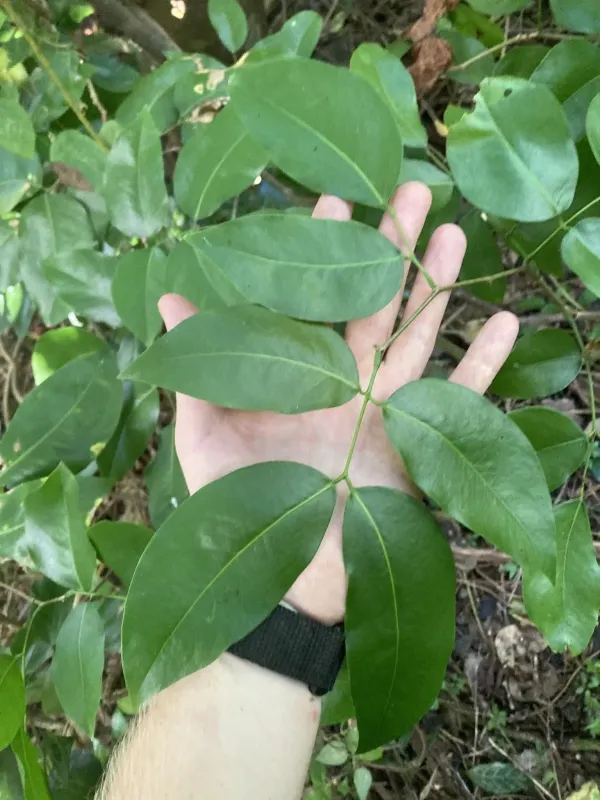
Description
Growing requirements
Intsia bijuga, commonly known as the Merbau tree, is a large, evergreen species belonging to the Fabaceae family. It is a dominant canopy tree in tropical rainforests, typically found in coastal areas and mangroves.
The tree thrives in climates with high temperatures and significant annual rainfall. It is intolerant to frost and requires a stable, humid environment to achieve its optimal growth rate and reach its full height of up to 50 meters.
Regarding soil conditions, Intsia bijuga is versatile. It performs best on well-drained, nutrient-rich soils but shows remarkable adaptation to sandy and rocky coastal substrates due to its salt tolerance.
Botanically, it is characterized by compound leaves and pods that contain several seeds, which are dispersed by water in coastal environments. The tree possesses a robust root system that helps it maintain stability in various terrains.
The economic value of this tree is immense, primarily due to its heartwood, which is highly resistant to decay and termite attacks. This makes the wood a premium material for heavy construction, flooring, and fine cabinetry.
Main diseases and pests
The primary threats to Intsia bijuga in managed forests include stem borers, which tunnel into the wood and significantly decrease the quality of timber produced for market.
Root rot, often caused by pathogenic fungi in waterlogged soils, is a serious threat that can cause large trees to fall, particularly during high-wind events in tropical regions.
Cattle and other wildlife grazing can pose a major risk to seedling development, leading to high mortality rates in reforestation projects if sites are not adequately fenced.
Bacterial pathogens can enter the tree through mechanical wounds or pruning cuts, causing internal structural decay that is often invisible from the exterior of the bark.
Agricultural management requires careful thinning and monitoring of stands to ensure that trees receive adequate light and nutrients, which prevents the stress that often precedes pest infestations.