
Intsia palembanica
Intsia palembanica Miq.
Description
Growing requirements
Intsia palembanica, commonly known as merbau, is a significant tropical tree species belonging to the Fabaceae (legume) family. Renowned for its dense and durable heartwood, this species grows slowly and can reach heights of up to 50 meters in its native tropical rainforest habitats across Southeast Asia.
The crop thrives in hot, humid tropical climates where rainfall is consistent throughout the year. It prefers deep, well-drained alluvial soils and is frequently found in low-lying areas or along the banks of rivers, where soil nutrient levels are naturally replenished by seasonal flooding.
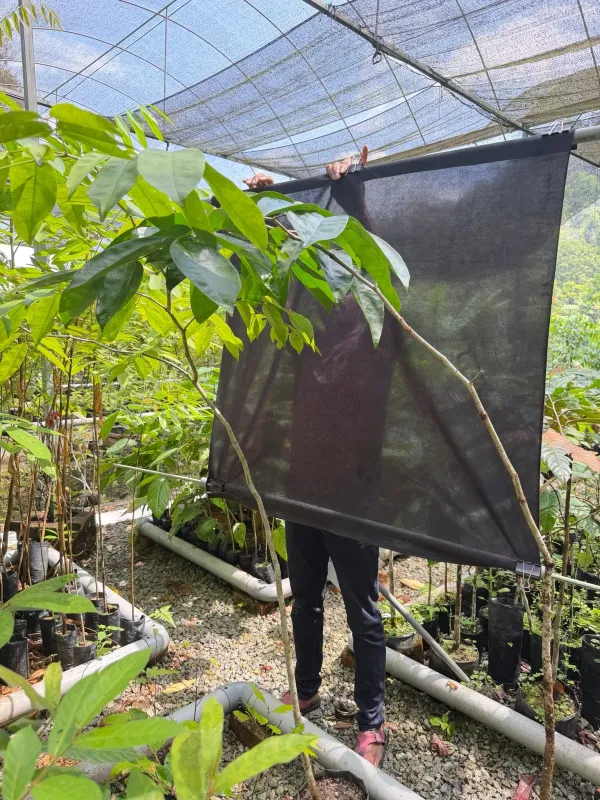
Cultivation of this species requires mimicking its natural environment. Seedlings are particularly sensitive to light and moisture, requiring partial shade during early growth stages to establish a strong root system before they transition to full sun exposure in the upper canopy.
Soil management for merbau plantations includes ensuring neutral to slightly acidic pH levels and maintaining high organic matter content. Regular irrigation is necessary in regions where distinct dry seasons occur, as extreme drought can severely stunt the development of these valuable trees.
The economic importance of Intsia palembanica is immense, as it produces one of the world's most sought-after hardwoods. Its wood is highly resistant to termites and fungal decay, making it a premium choice for high-end flooring, decking, and fine furniture manufacturing.
Main diseases and pests
The primary threats to Intsia palembanica plantations include root rot pathogens, which are often exacerbated by poor drainage and waterlogging. Fungal infections can quickly spread in young stands if the soil moisture levels are not properly regulated throughout the growing cycle.
Stem-boring insects present a significant challenge to silvicultural success, as they can tunnel into the trunk and degrade the wood quality of maturing trees. Integrated pest management strategies, including the removal of infested trees, are essential to control these outbreaks.
Competition from fast-growing invasive weeds and lianas can suppress young Intsia seedlings by depriving them of sunlight and nutrients. Mechanical clearing and site preparation are mandatory in the early years of plantation management to ensure the survival of the saplings.
Environmental stress caused by climate fluctuations, such as prolonged drought, increases the susceptibility of the trees to secondary infections. Maintaining soil health and biodiversity within the plantation helps to naturally boost the resilience of the trees against these pathogens.
Sustainable forestry practices are critical to mitigating the loss of natural stands. By monitoring growth rates and canopy health, foresters can detect early signs of stress and implement preventive measures to ensure the longevity of the timber crop in managed ecosystems.