
Gymnocladus assamicus
Gymnocladus assamicus
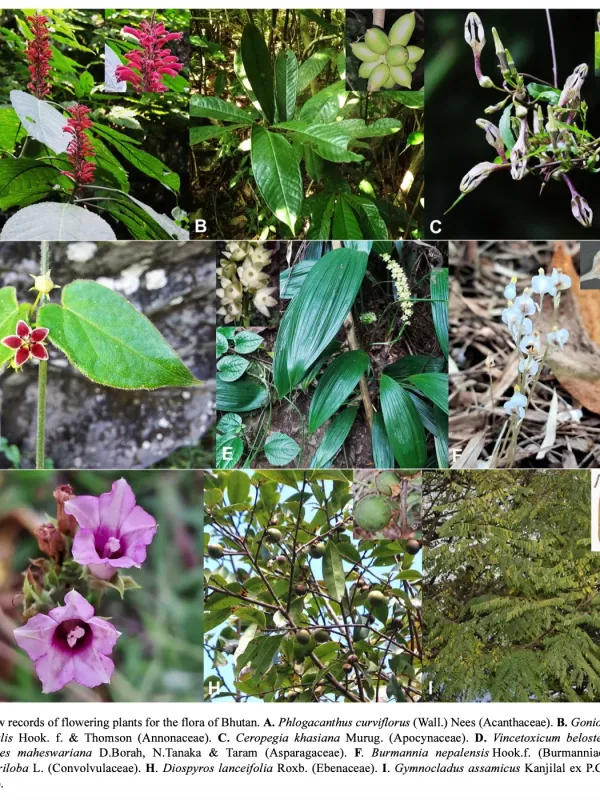
Description
Growing requirements
Gymnocladus assamicus is a rare leguminous tree belonging to the Fabaceae family. It is natively found in the North-Eastern regions of India, specifically in the state of Assam, growing primarily in moist forest environments.
The plant demands well-draining, nutrient-rich soils with a neutral pH level. It thrives in humid tropical and subtropical climates, as it is naturally adapted to the seasonal monsoonal weather patterns of its native habitat.
Adequate air circulation is essential for the tree's health, alongside consistent soil moisture levels. It is highly sensitive to extreme cold and requires a frost-free environment to maintain steady growth throughout the year.
Botanically, the species is distinct due to its complex pinnate leaves and fruit pods that contain saponins. These seeds possess historical significance as they were traditionally utilized by local communities as natural soap substitutes.
From an agricultural perspective, the species serves as a valuable genetic resource. Its ability to fix nitrogen in symbiotic relationships with soil bacteria contributes to the health of the ecosystem where it occurs.
Main diseases and pests
The primary threat to the species is the destruction of its natural forest habitat due to deforestation and land-use change, which limits the available territory for its growth.
In cultivation, the most common threats are fungal infections of the roots caused by waterlogging. Proper soil structure is therefore a prerequisite for the healthy development of any plantation of this species.
Pests that target tropical hardwood species, such as specific leaf-eating caterpillars and stem borers, can impact the growth rates and overall structural integrity of the trees.
Effective pest and disease management requires early detection and the removal of infected plant materials to prevent the spread of pathogens throughout the nursery or grove.
Biological monitoring and maintaining balanced soil nutrient levels are vital strategies to ensure that the trees remain resilient against endemic pathogens and stress factors.